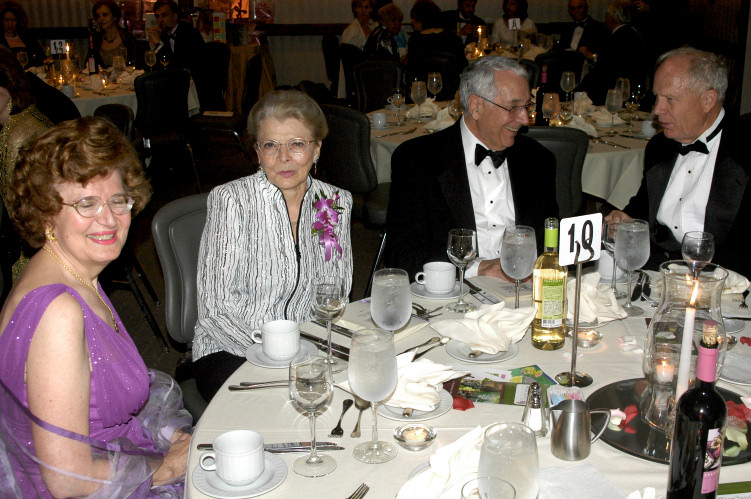
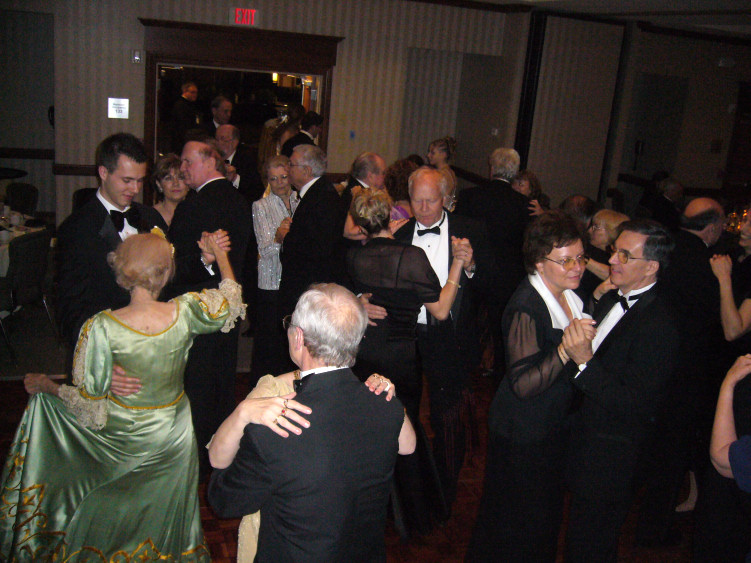
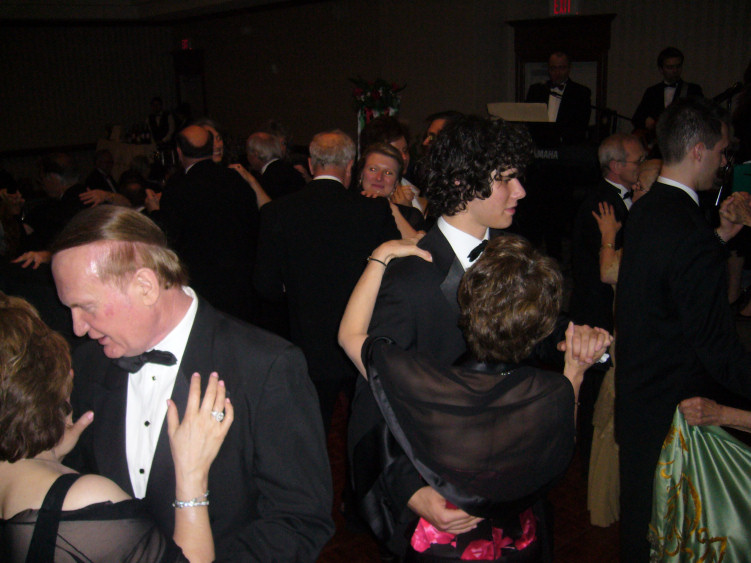
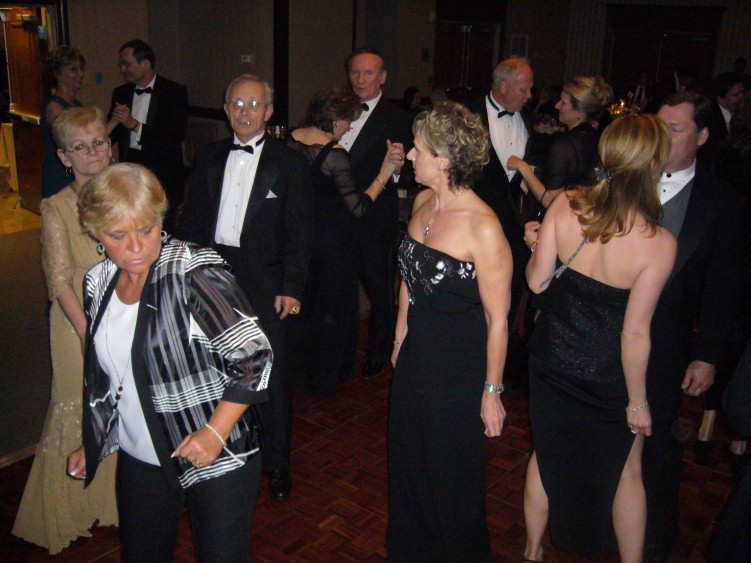
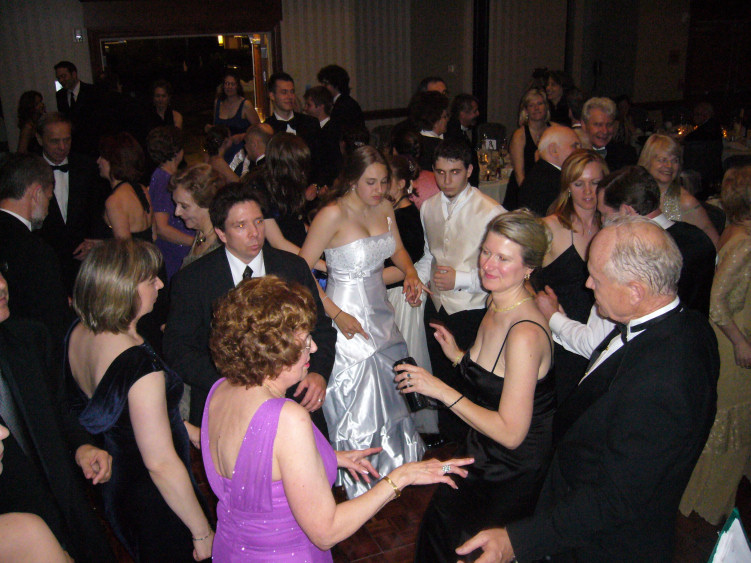
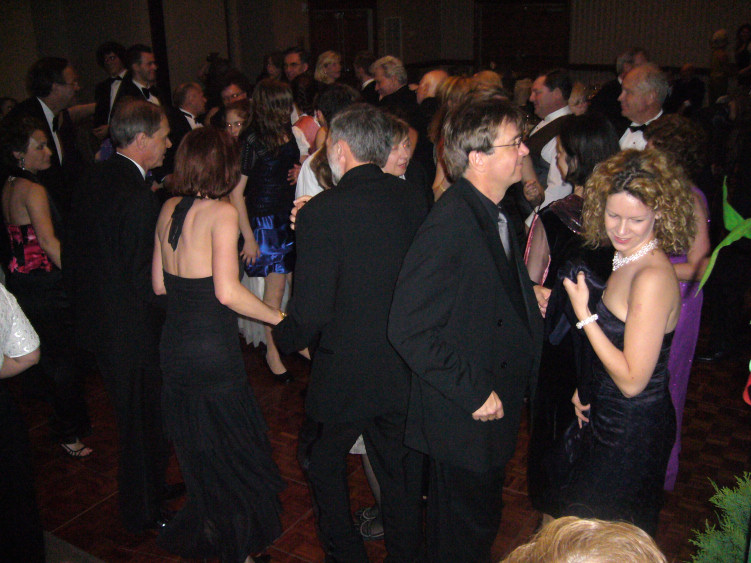
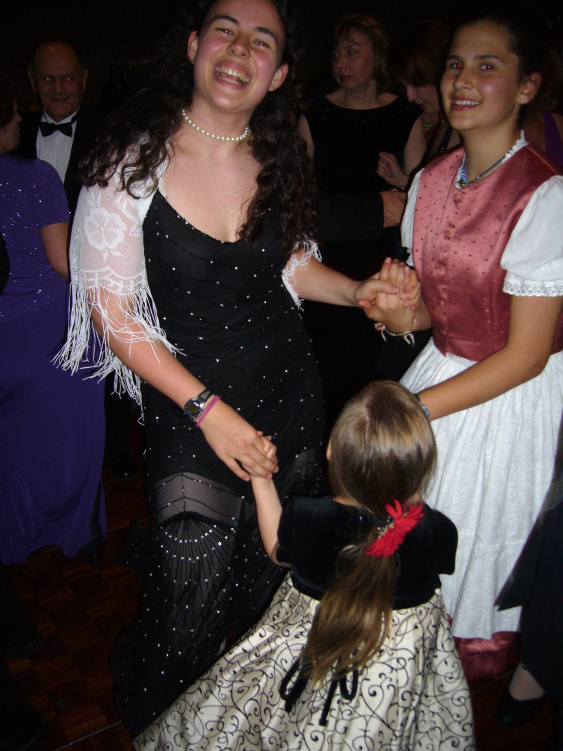
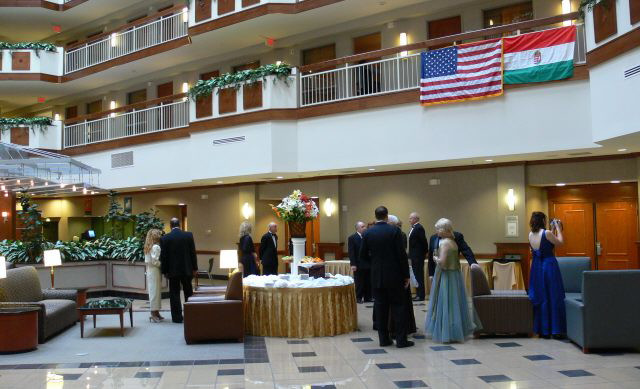
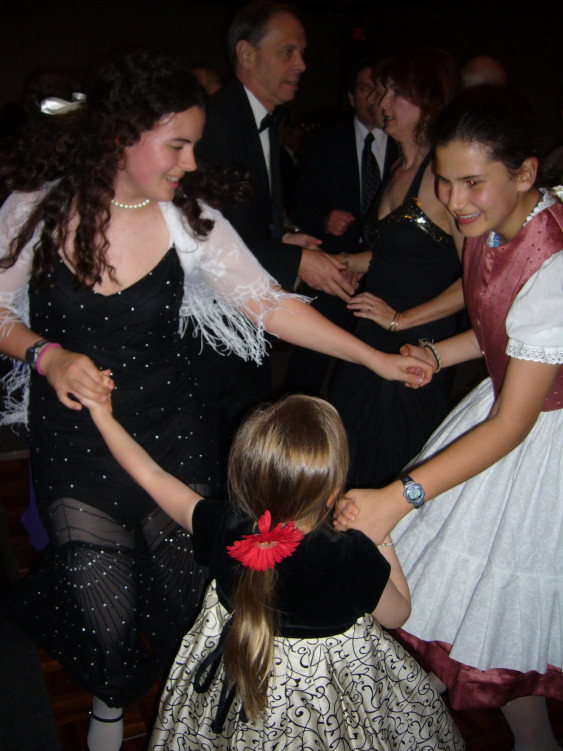
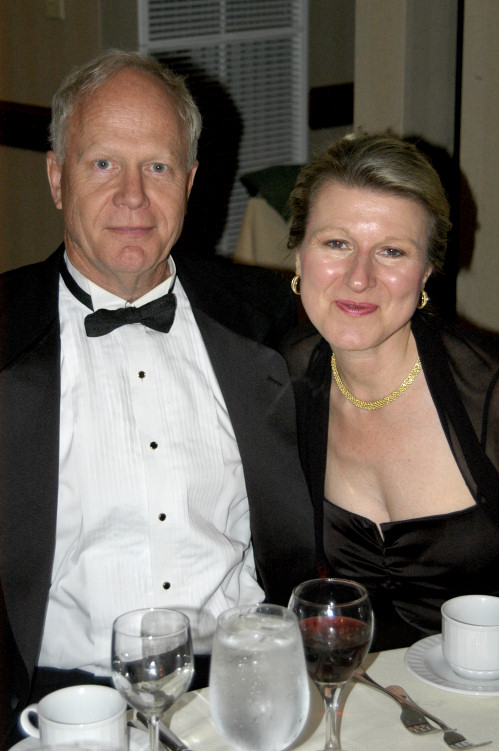
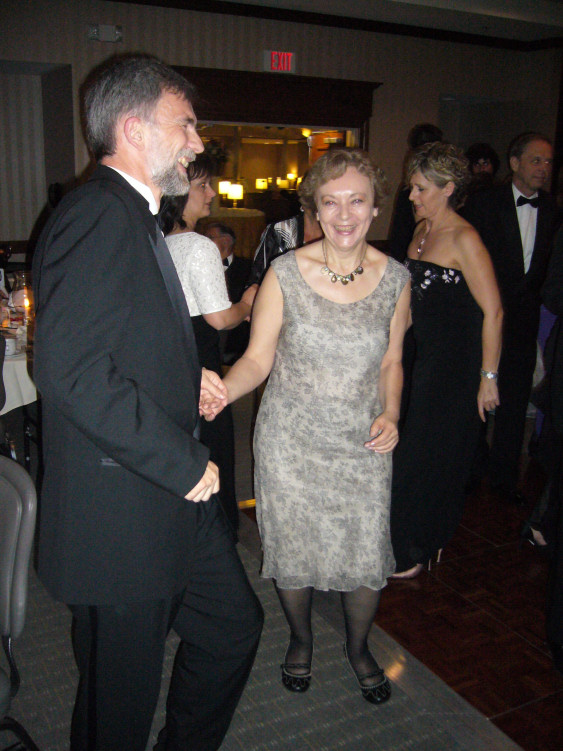
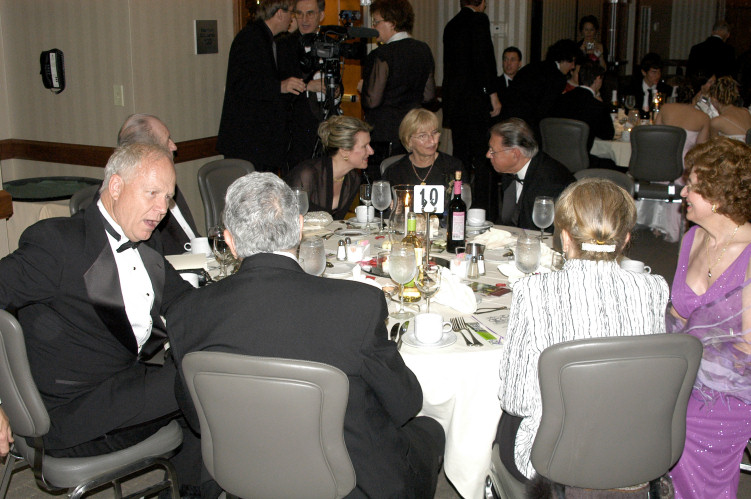
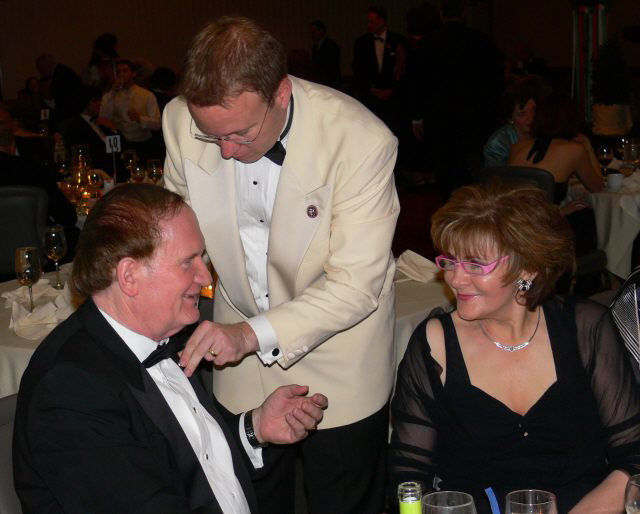
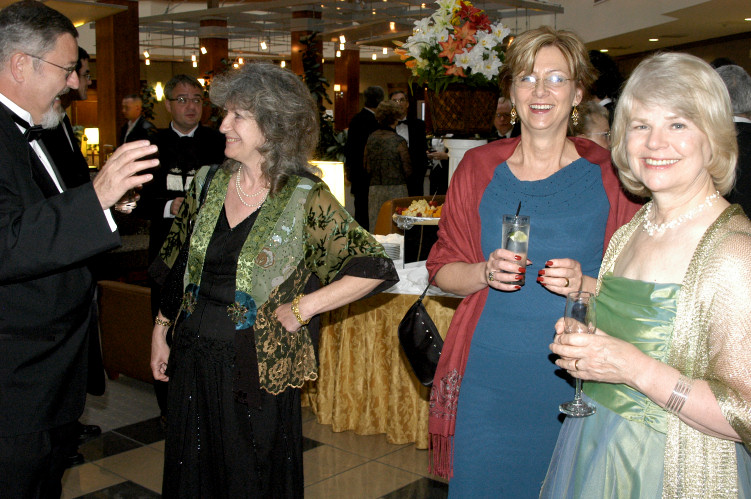
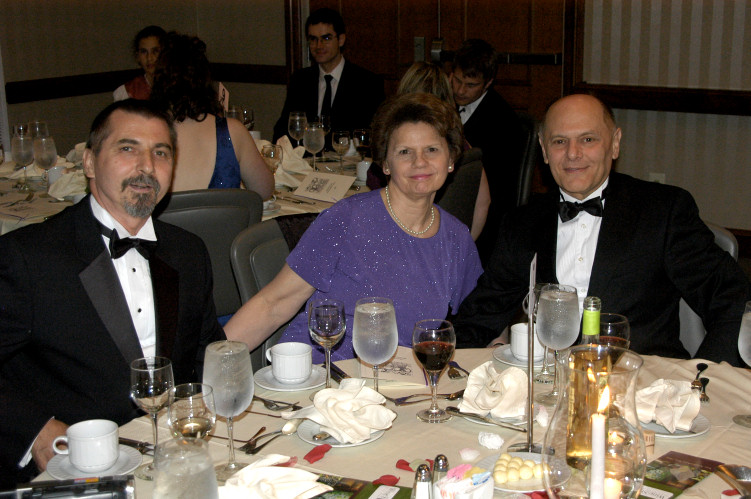
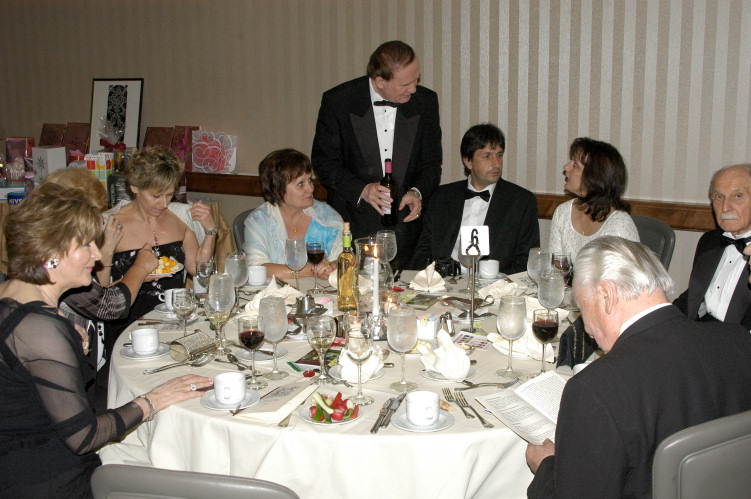
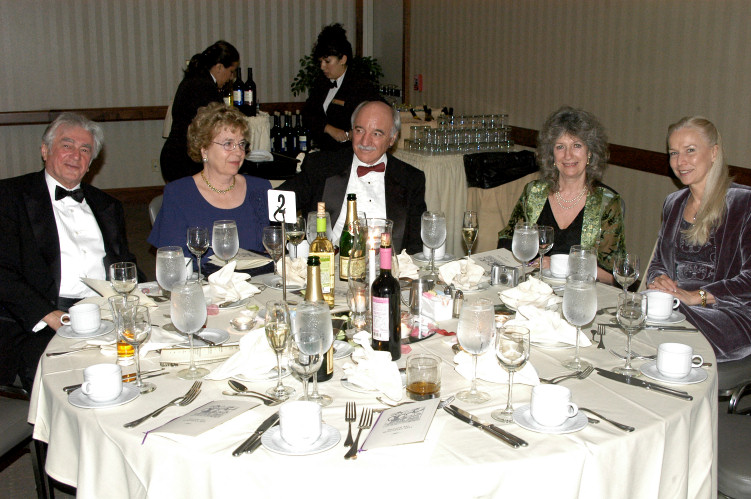
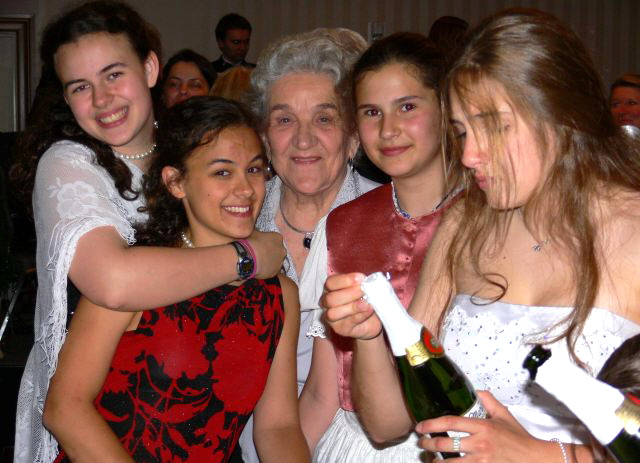
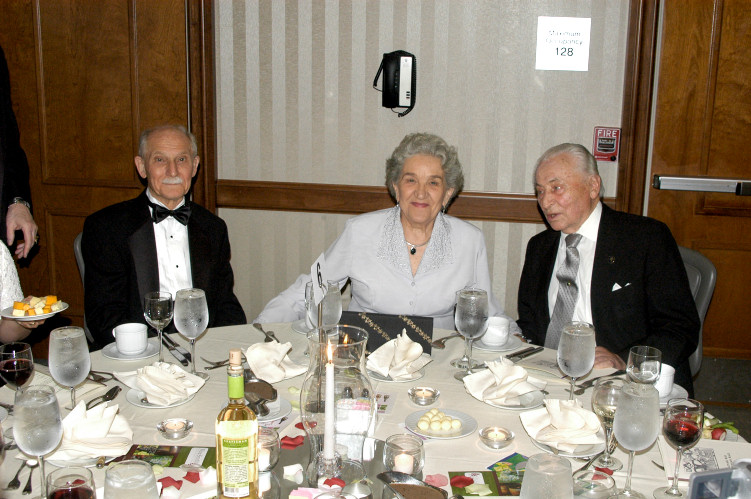
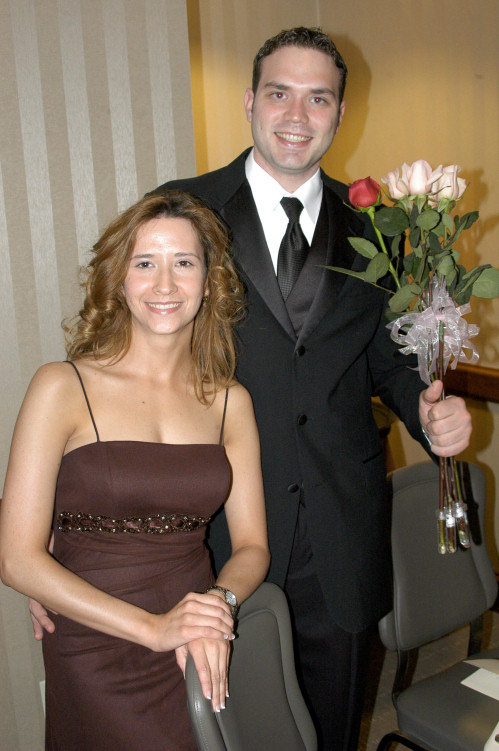
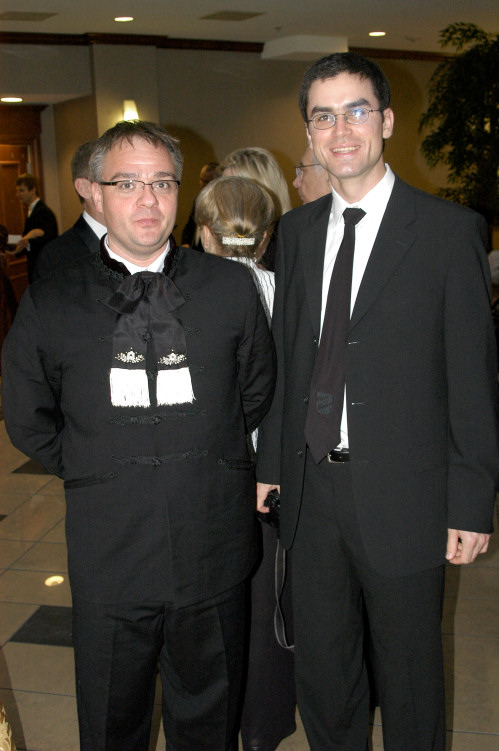
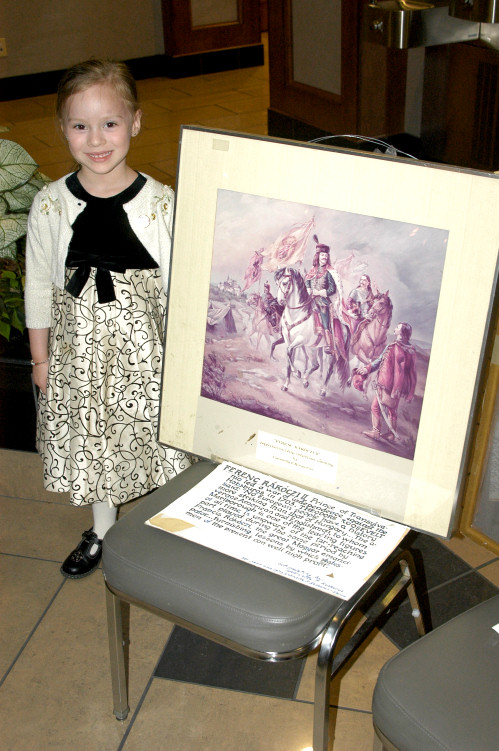
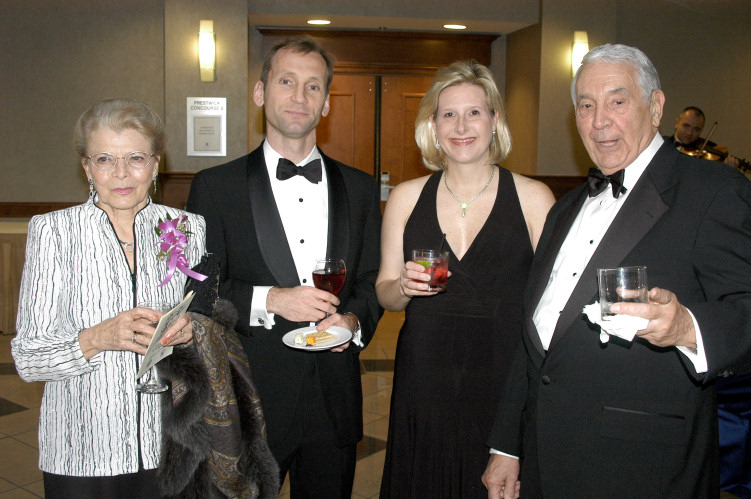
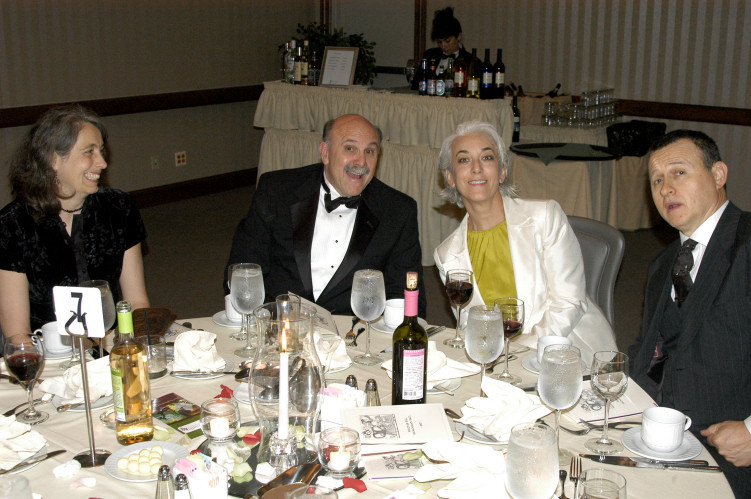
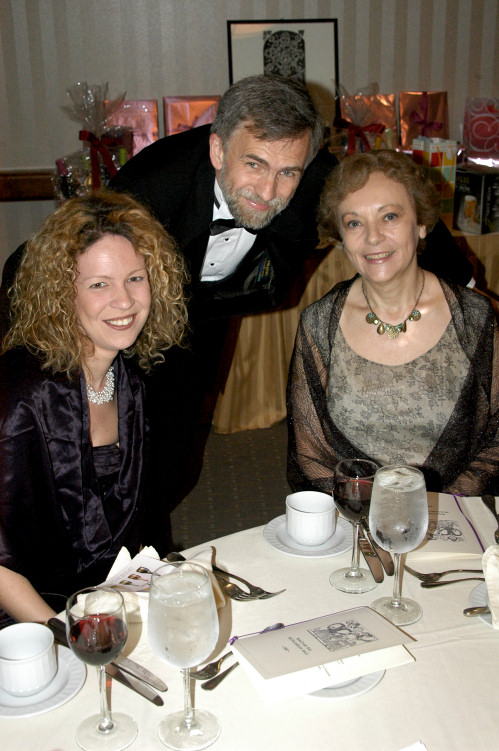
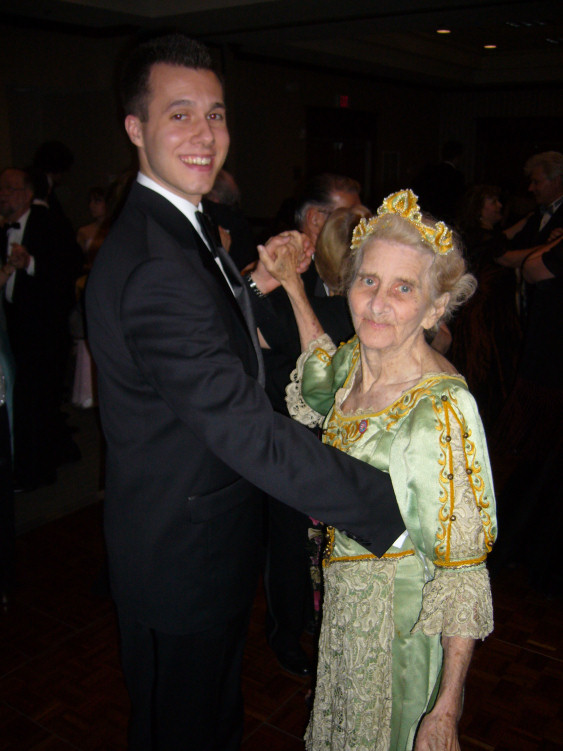
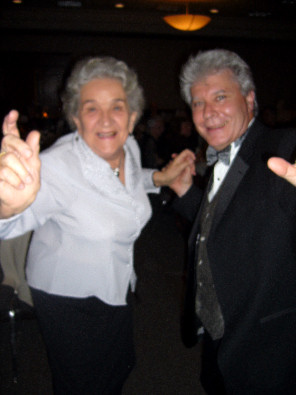
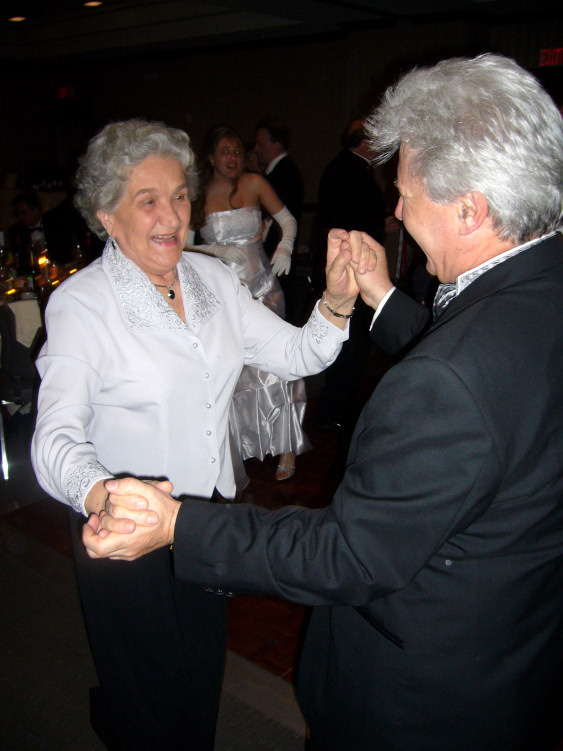
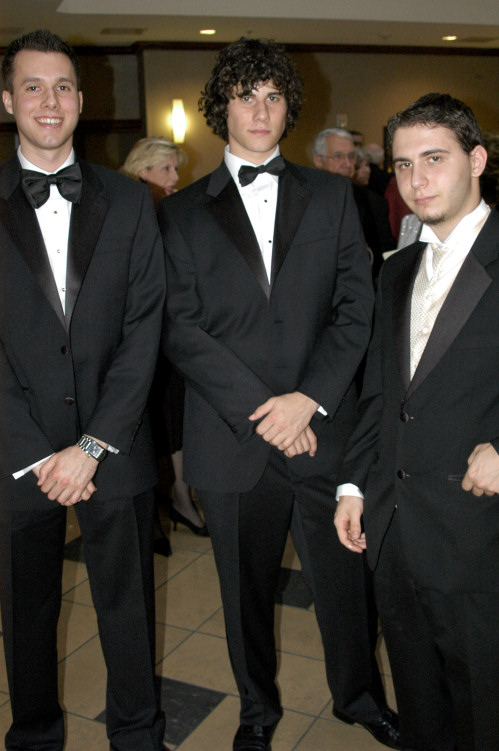
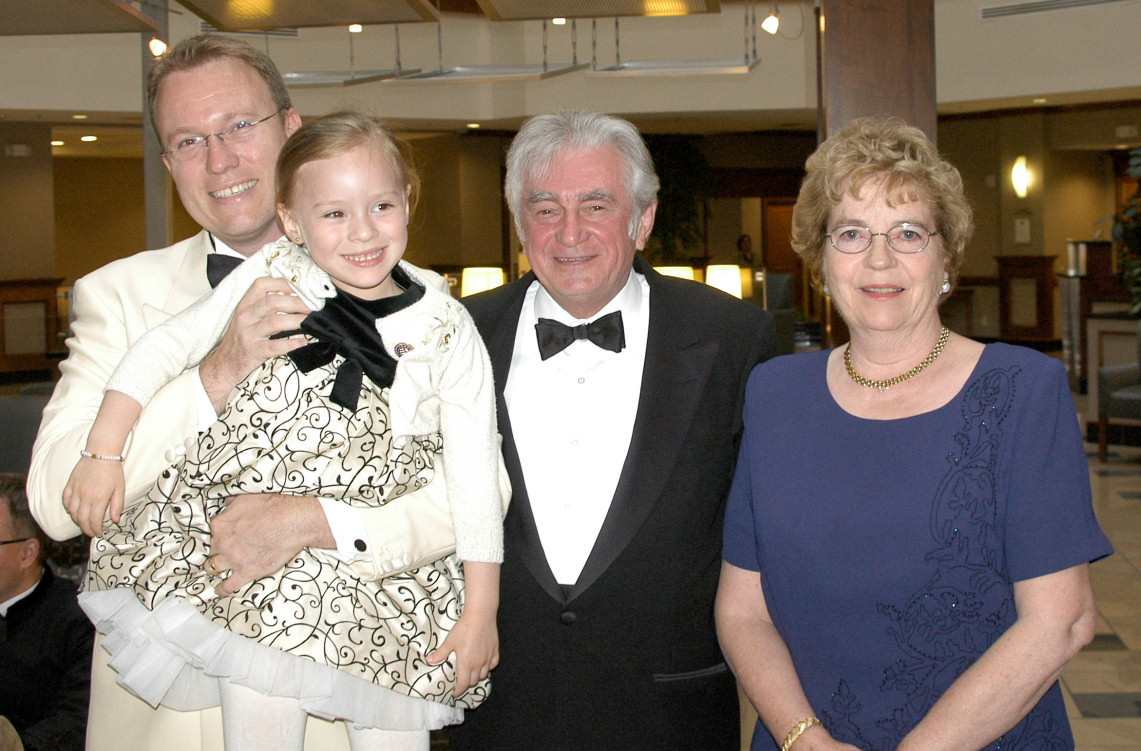
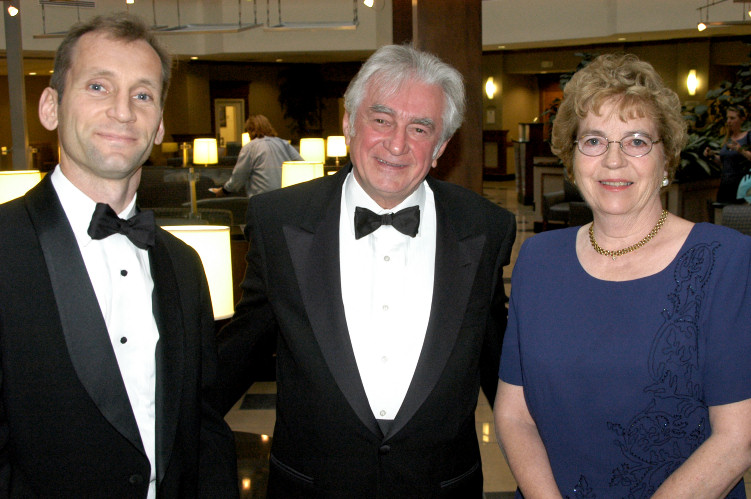
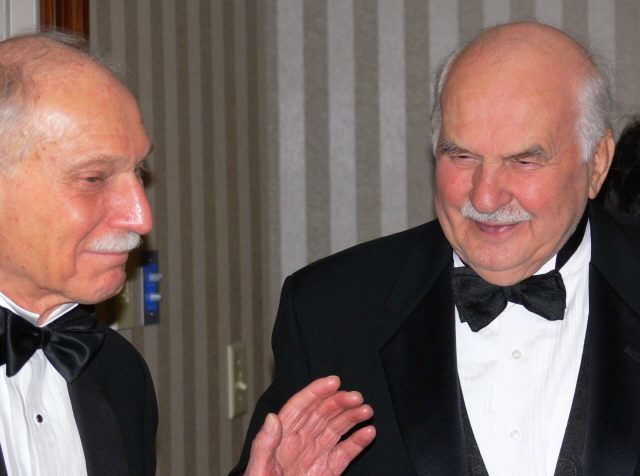
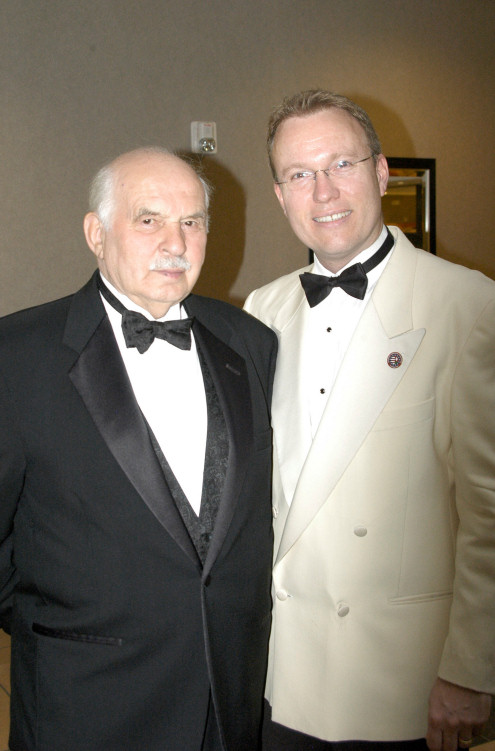
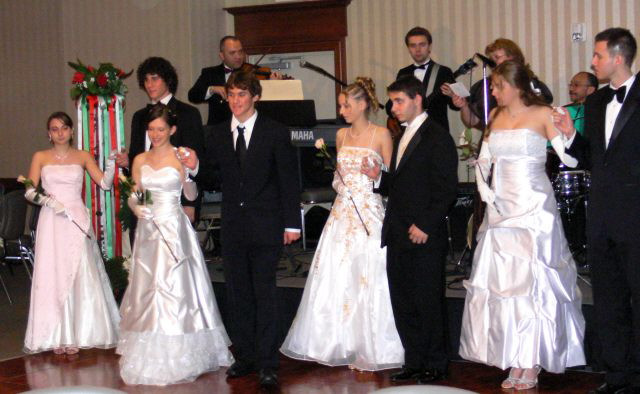
5/5/2007 – The Annual Hungarian May Ball – A very special evening benefitting AHF’s 100th Anniversary programs and the Hungarian Scouts of Washington! A very special evening that included 4 debutantes from the metropolitan Washington area. This year’s proceeds from the black-tie affair were equally shared to help cover the costs of the Hungarian Scouts participation in the 21st World Scout Jamboree in England and the Federation’s 2007 100th Anniversary programs.

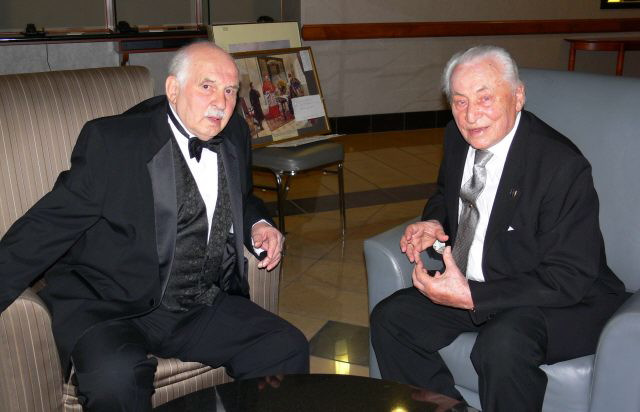
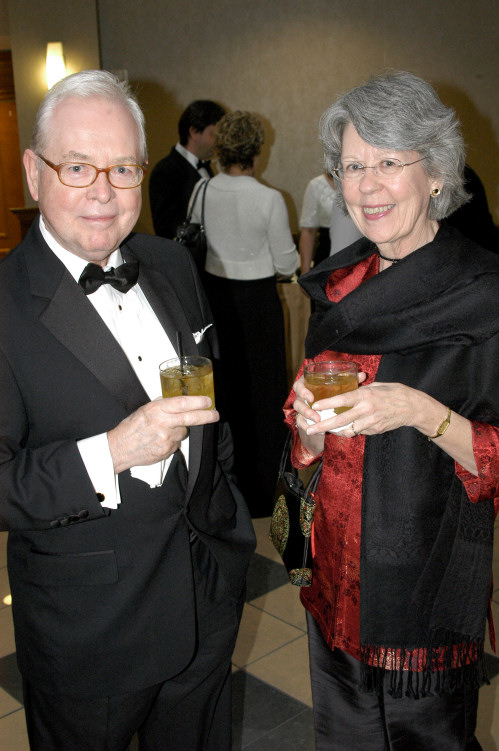
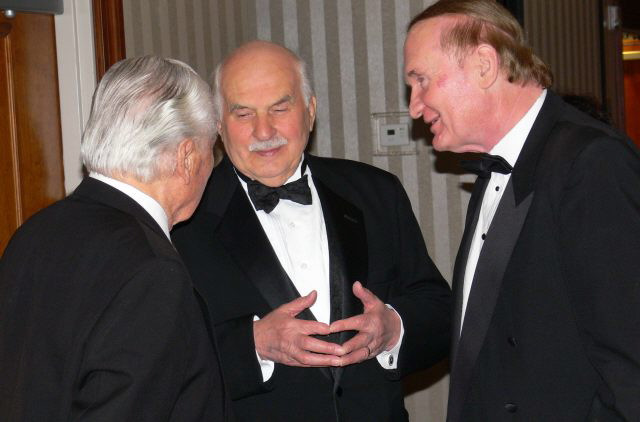
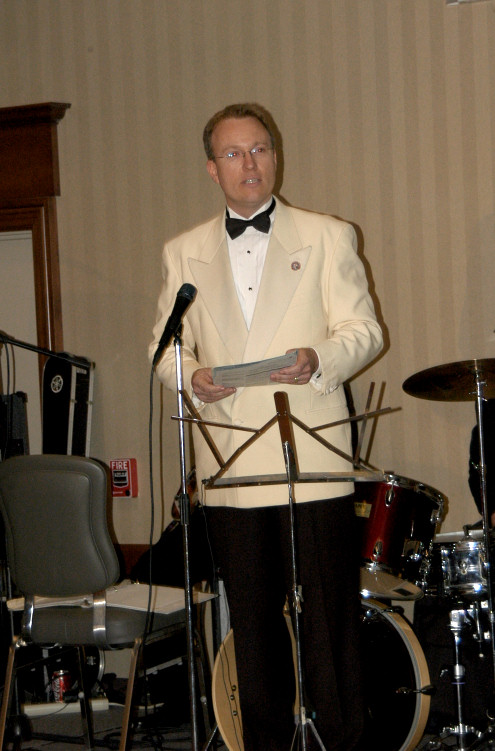
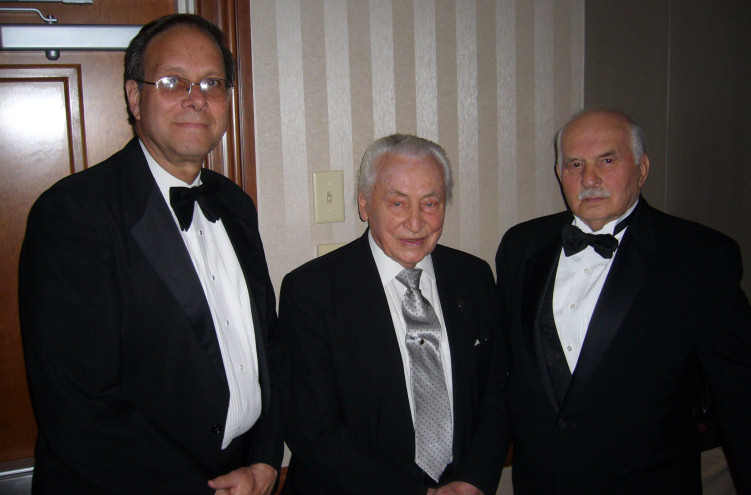
Former AHF National Secretary and Ball Committee Chair, Erika Fedor, welcomed guests that included representatives from the Hungarian Embassy, and leaders from the Hungarian ScoutingAssociation, AHF (including current and former President Atilla Micheller and Stefan Fedor respectively), Best-Selling Author and National Aviation Hall of Famer Walter Boyne, and Hungarian Parliamentarian Dr. Janos Horvath. Mihaly “Misi” Meszaros, leader of the Hungarian Scouts of Washington, thanked guests for their support and talked about the upcoming jamboree and the need to support Hungarian Scouting.
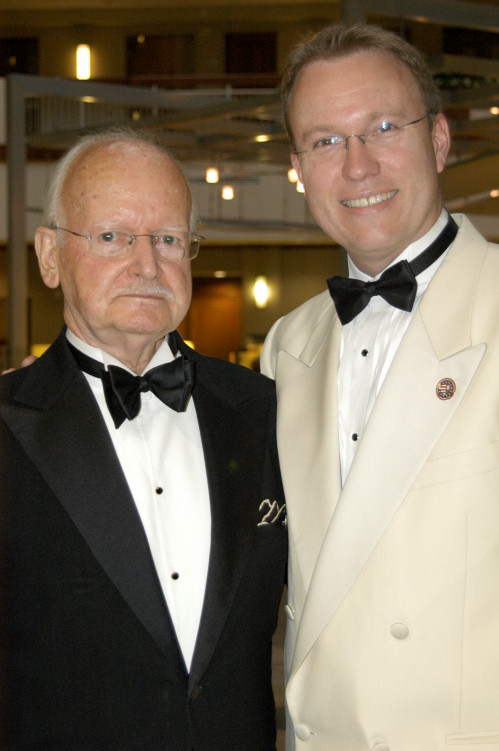
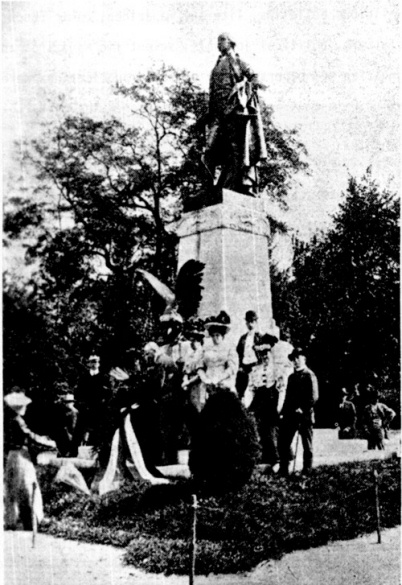
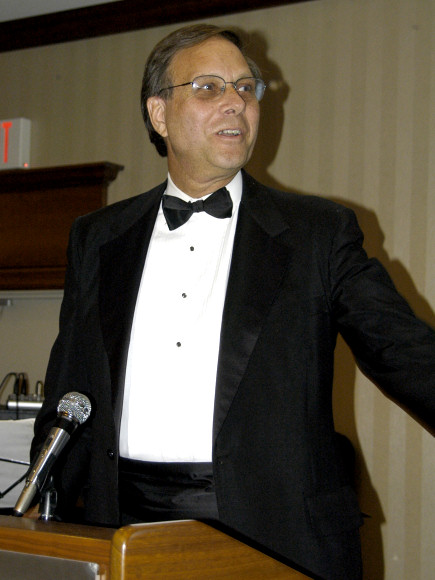
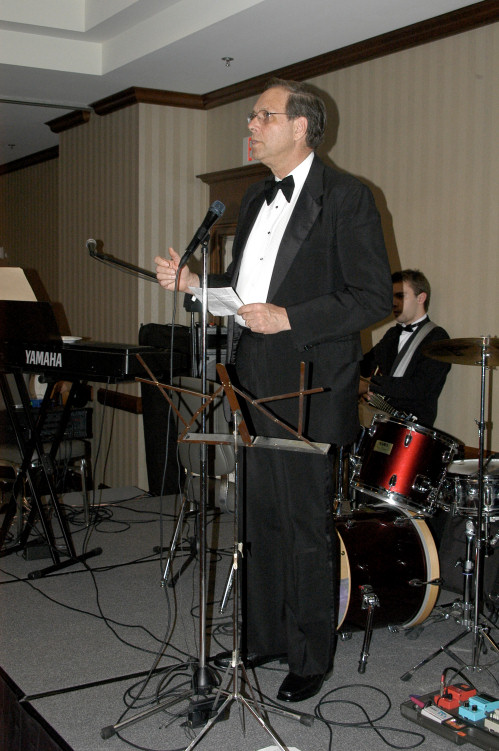
AHF Executive Chairman, Bryan Dawson-Szilagyi, addressed the audience and called attention to the 100th Anniversary of the founding of AHF and the need for unity and a national identity: “In 1906, Hungarian societies, institutions, and churches from every state in the union came together to form a national federation to defend the interests of Americans of Hungarian origin.”He added that, with the tragedies that befell Hungary over the decades, AHF’s mission had broadened to include support of people of Hungarian descent on both sides of the Atlantic. He provided a historic perspective on AHF’s 100 years of proud service to the community.From Budapest’s George Washington Statue in 1906 to the Louis Kossuth Statue in the United States Capitol in 1990, to refugee re-settlement efforts after WWII and the 1956 Hungarian Revolution, to tractors for Hungarian farmers in Transylvania, to Scholarships for outstanding Hungarian students, to Disaster Relief for Hungarian communities affected by Hurricane Katrina and Transylvanian flooding, to educating the public and preserving our heritage, he said AHF would continue to work to represent our common interests.
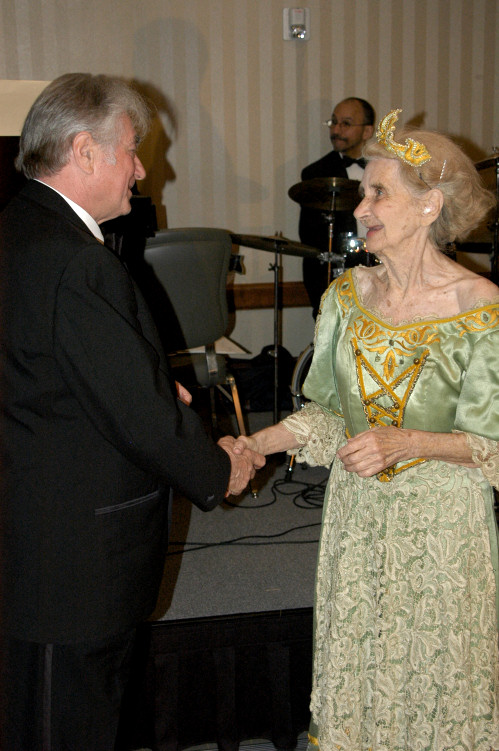
AHF Co-President Frank Koszorus introduced Gabriella Koszorus-Varsa being honored with AHF’s highest award, the Col. Commandant Michael Kovats Medal of Freedom for “her lifetime accomplishments and dedication to the preservation of our Hungarian heritage.” Heralded as a master of portraits, figure compositions, as well as sculptures. Ms. Koszorus-Varsa’s depiction of the charge of the cavalry during the battle of Charleston in “Fidelissimus ad Mortem” is a magnificent master work and hung in the US Capitol. Ms. Koszorus-Varsa and her husband, Colonel Ferenc Koszorus who was one of the great heroes of the Hungarian Holocaust, immigrated to the United States in 1951 with their son, Frank. She had been commissioned to paint some of the most important moments and persons in American history. A supporter of AHF for many decades and responsible for the design of some AHF stamps during its 1956 relief efforts and beyond, AHF is honored to present her with our highest honor.
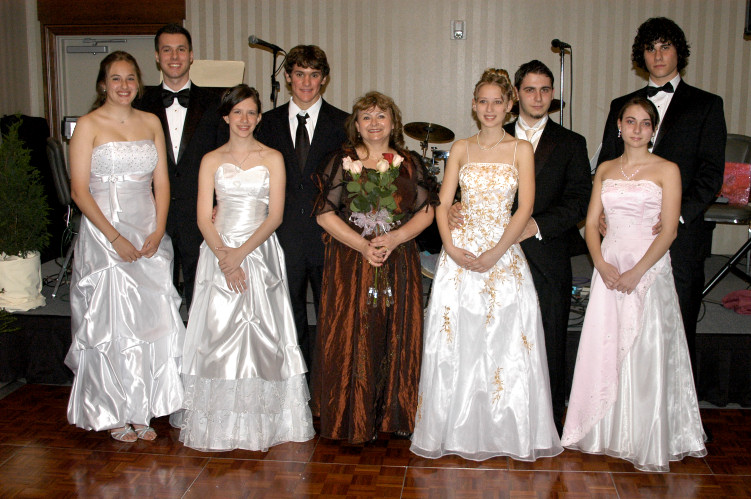
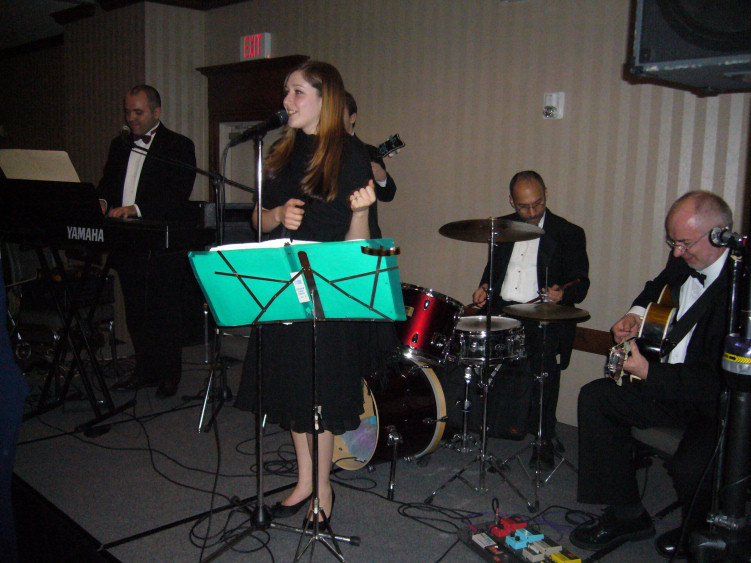
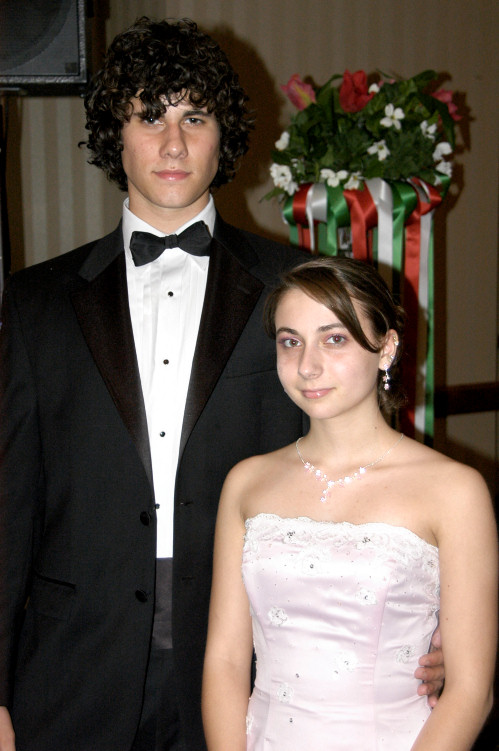
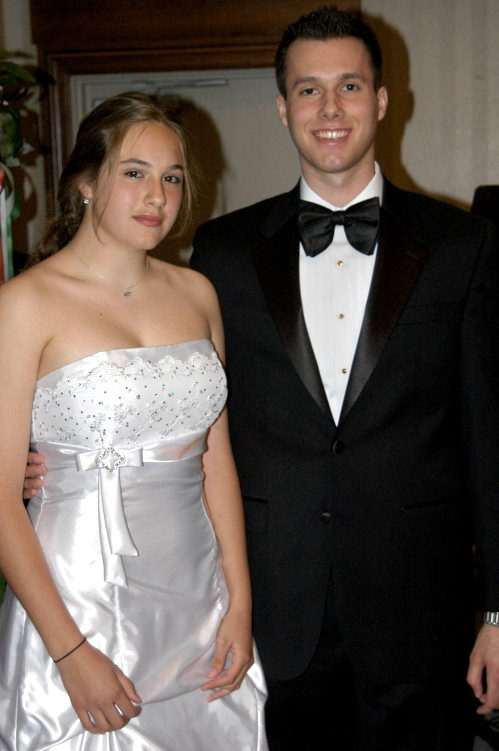
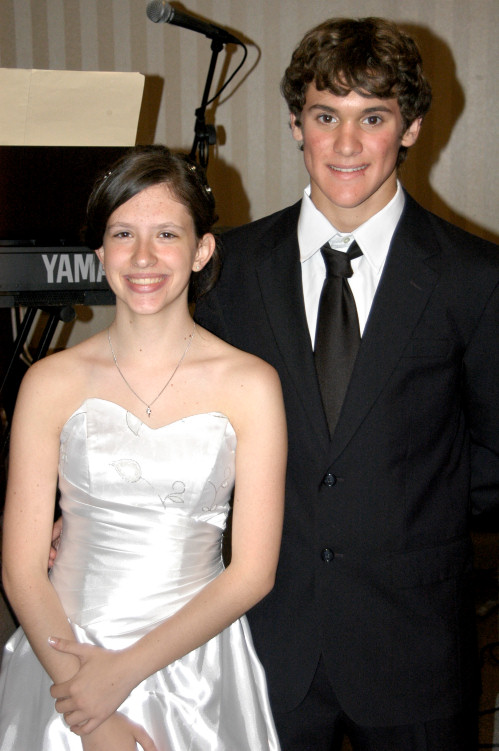
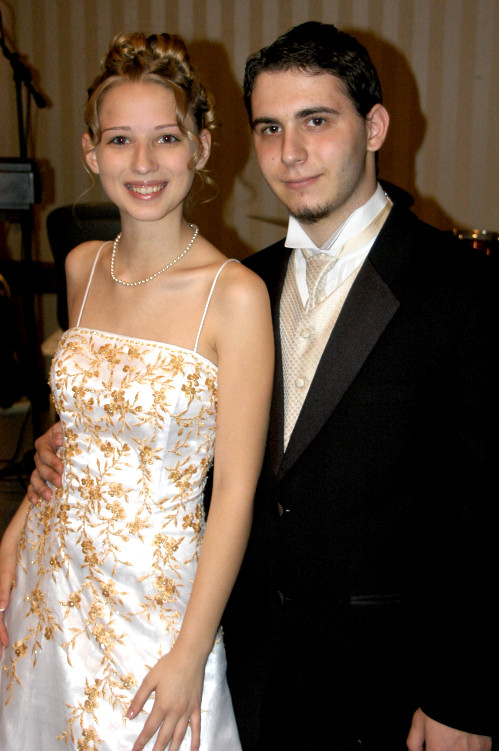
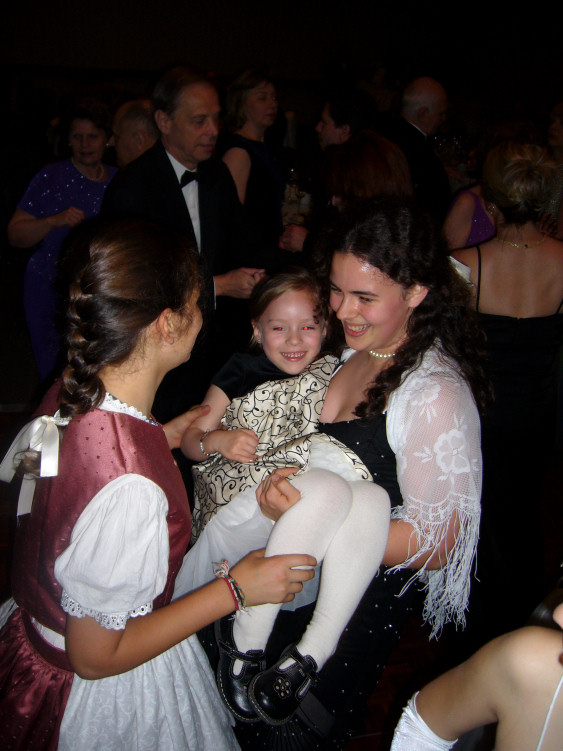
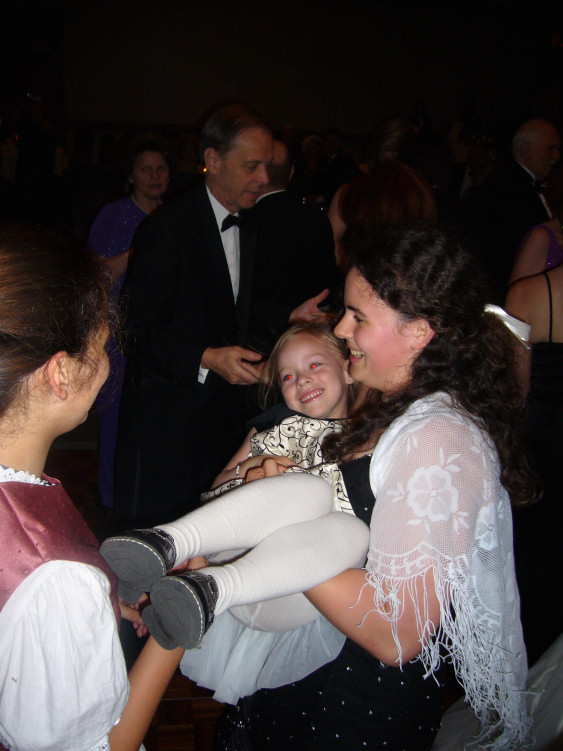
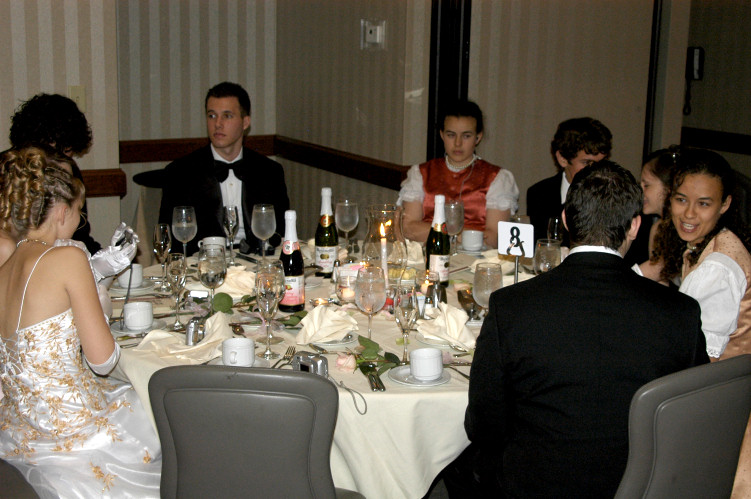
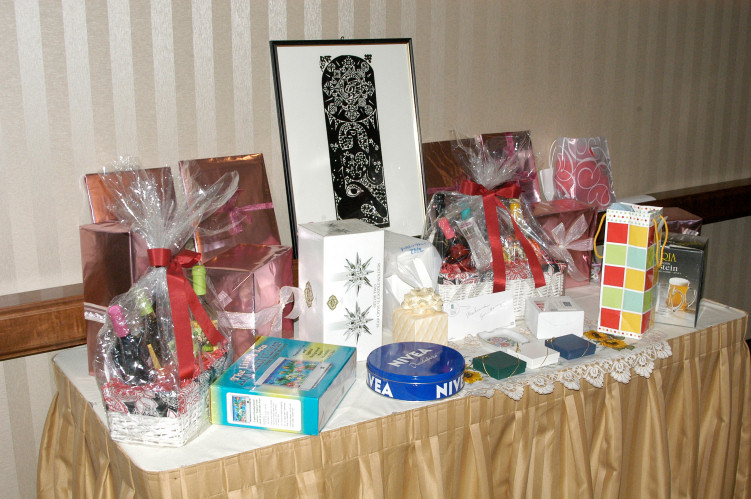
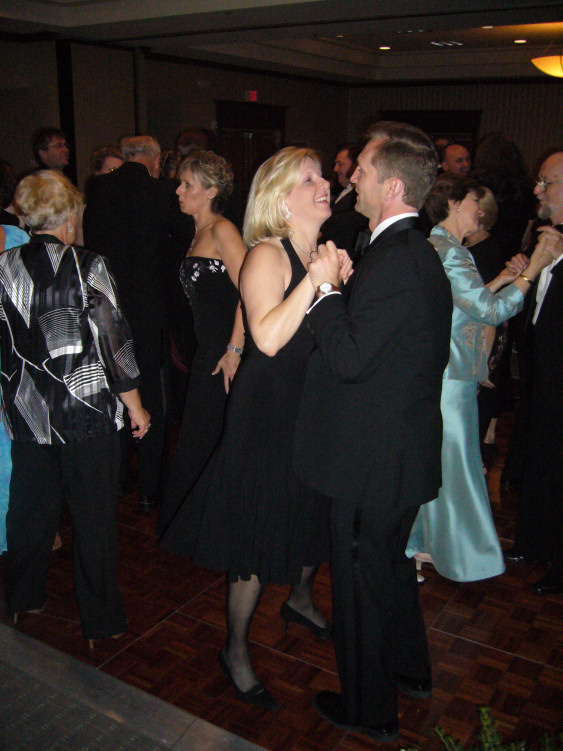
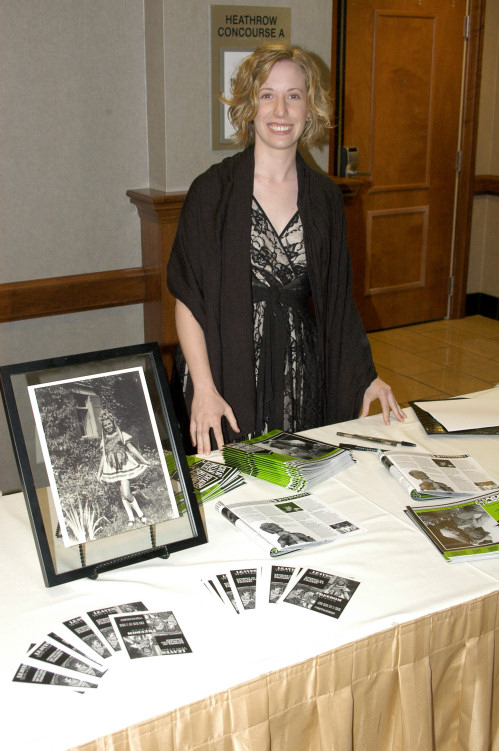
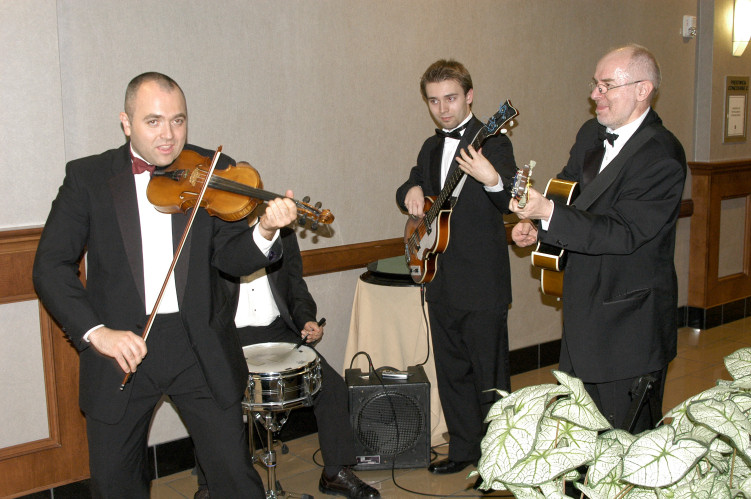
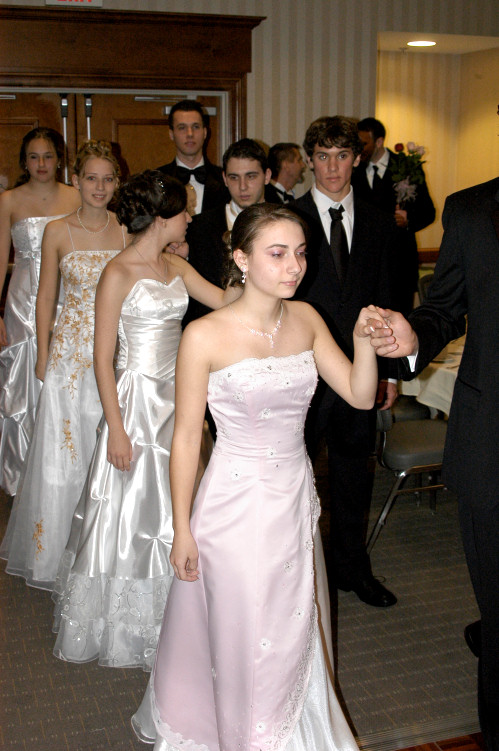
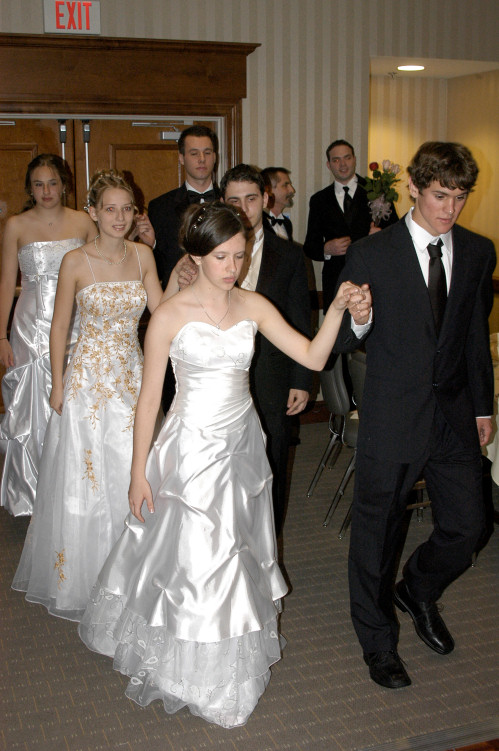
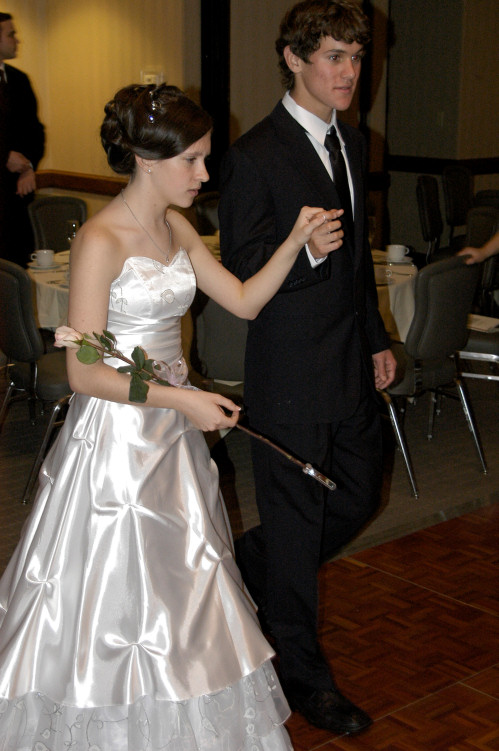
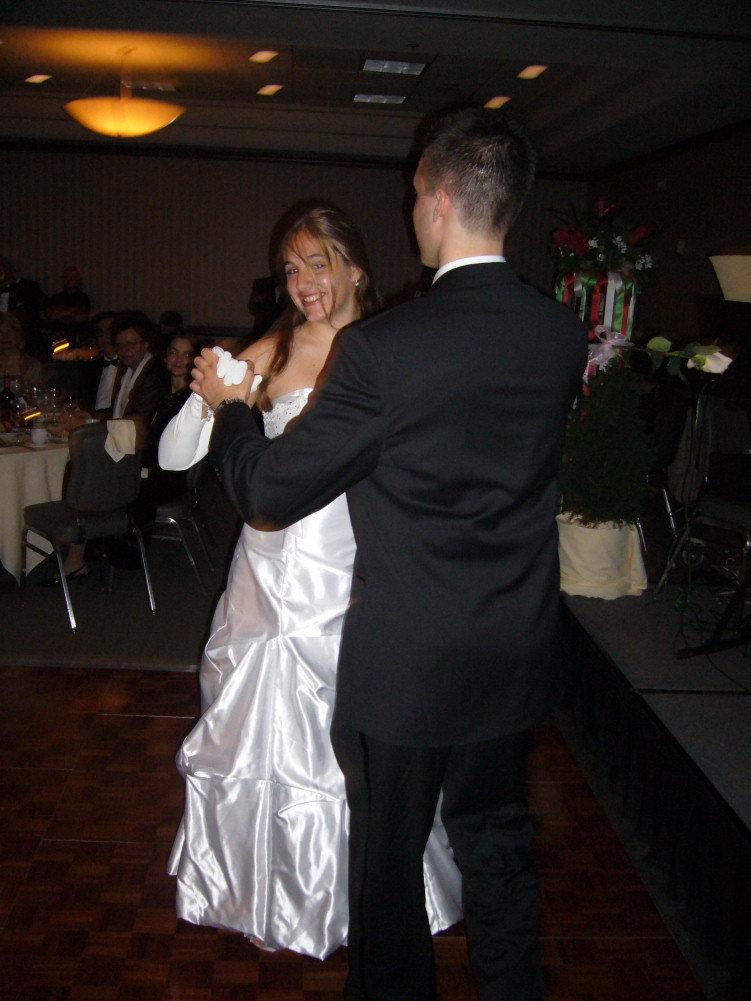
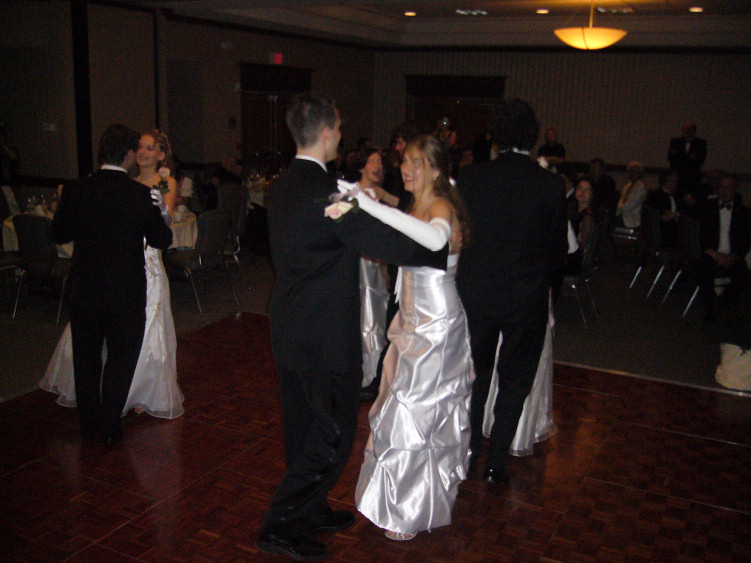
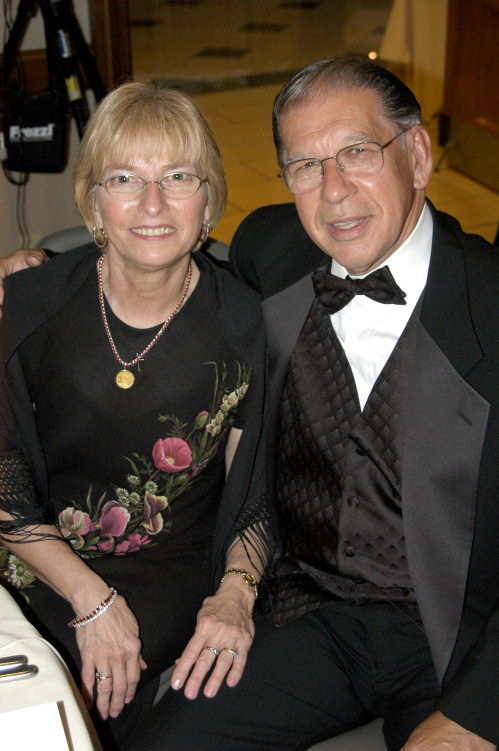
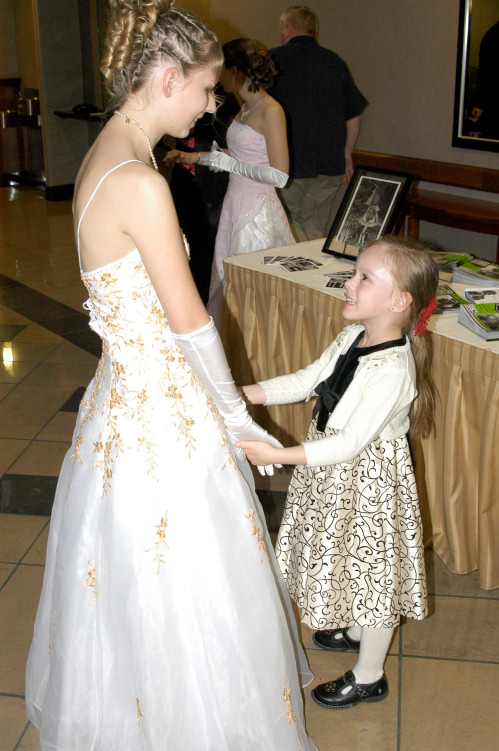
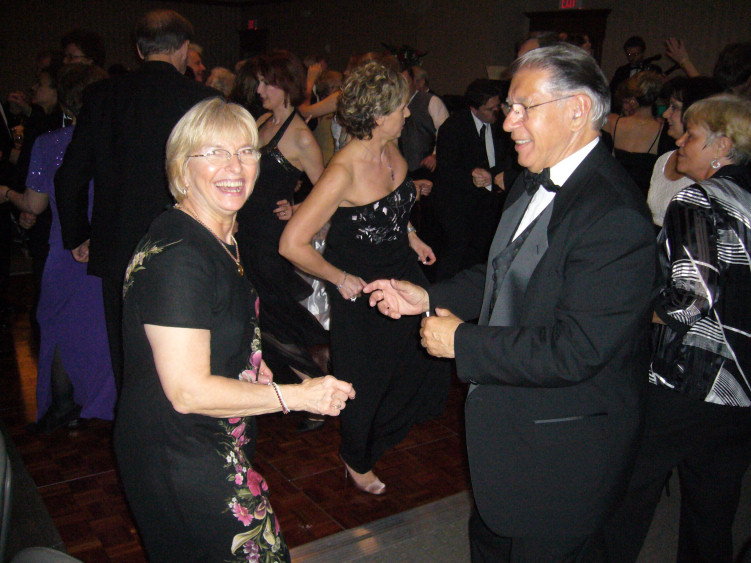
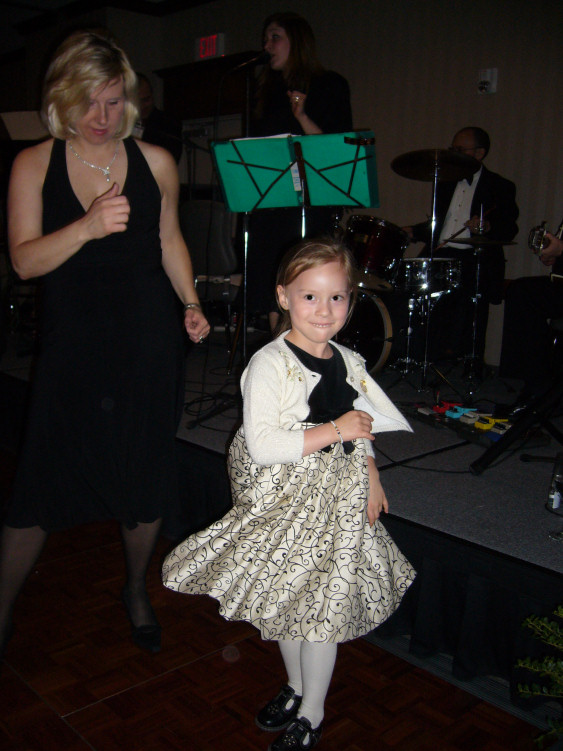
Reverend Zoltan Kovacs said the blessing to commence dinner. After diner, Erika Fedor introduced the 2007 Debutantes: Sári Bárczay, Olívia Fedor, Krisztina Kárpáthy, and Andrea Kölus. All are members of the Hungarian Scouts of Washington. KalmanMagyar’s phenomenal Continental Dance Orchestra (Continental Tánc Zenekar) from New York provided music and featured the amazing vocals of Lisa Apatini. The evening closed with a raffle that included fine Hungarian Wines from Crafstman Wines and art from József Domján, known as the most important color woodcut artists in the Twentieth Century. This year’s table presenters included Barbara Lanciers whose “Leaves with A Name,” a play about her Hungarian grandmother, will soon debut in Maryland.
Additional pictures (click for larger images)




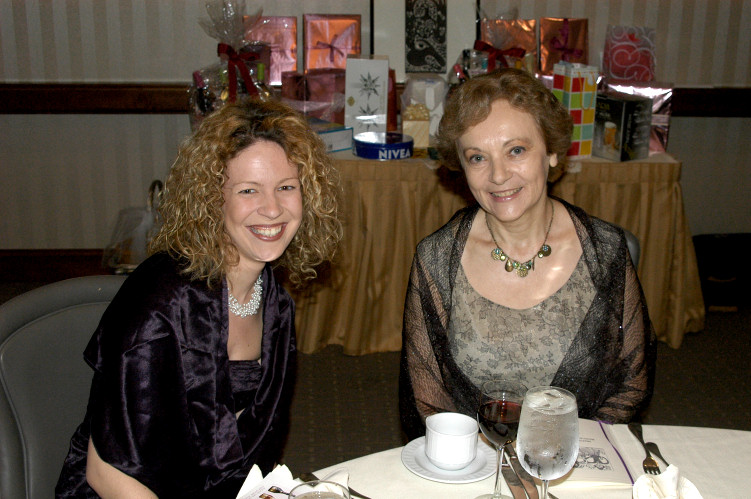
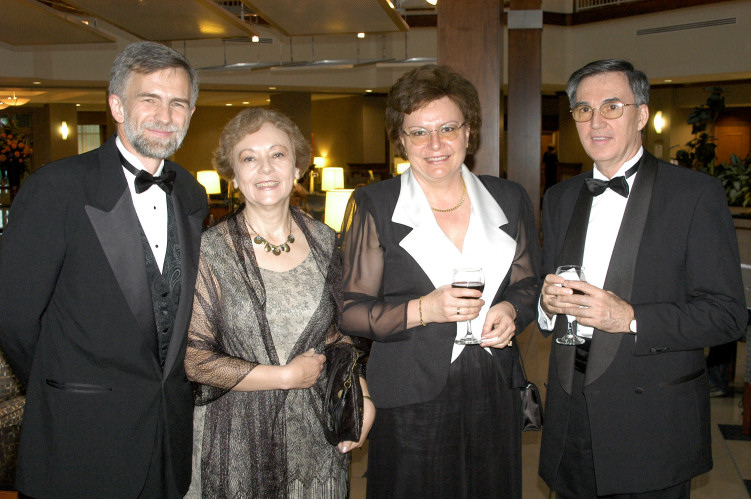
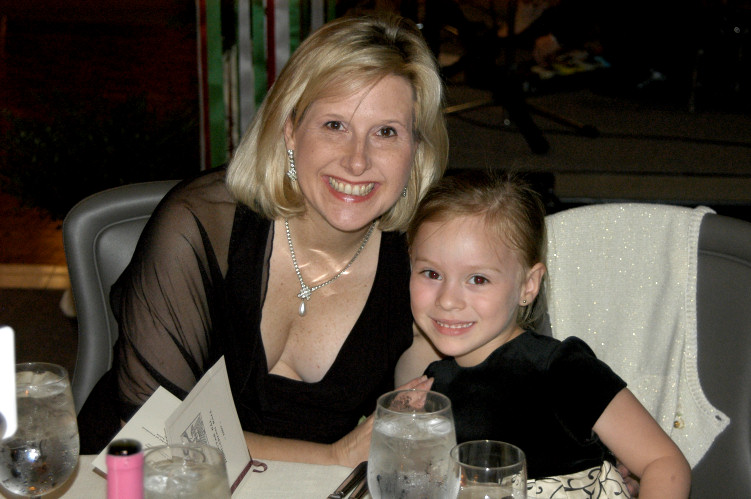
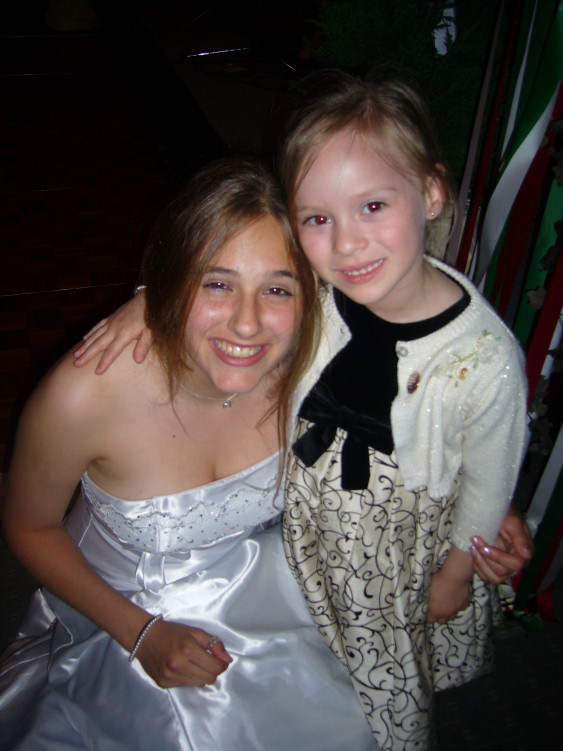


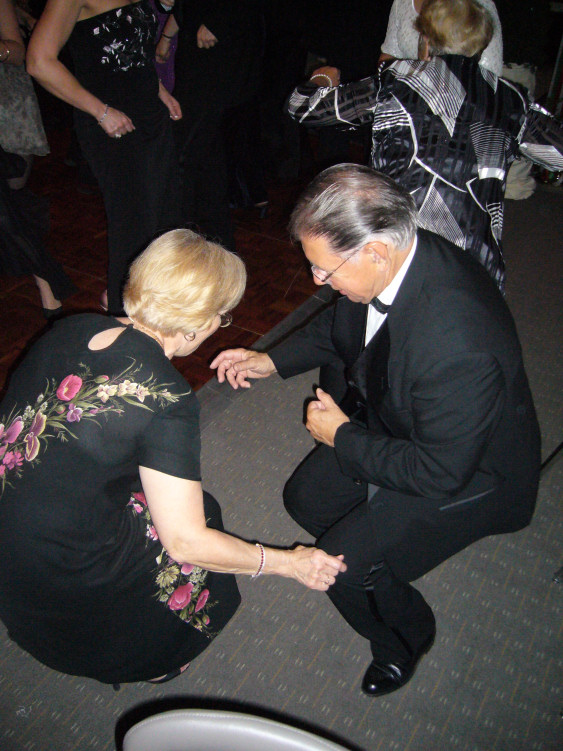
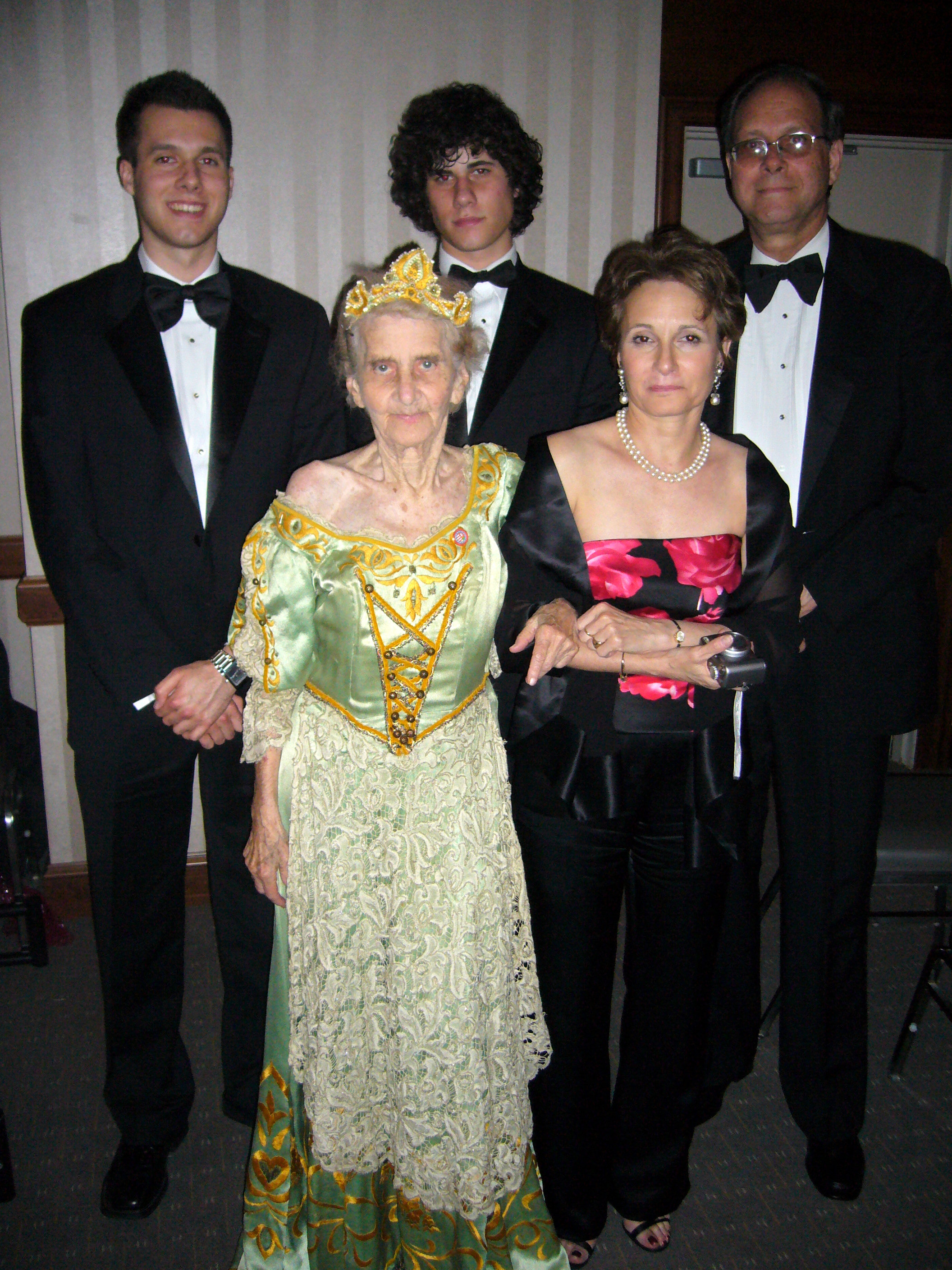
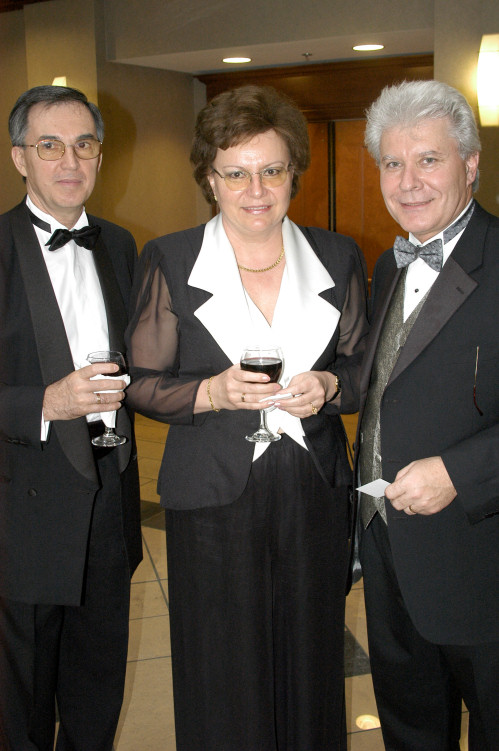

Photos by www.bryandawson.com
Previous Hungarian Charity Balls:
- [2014 Hungarian Ball]
- [2013 Hungarian Ball]
- [2012 Hungarian Ball]
- [2011 Hungarian Ball]
- [2010 Hungarian Ball]
- [2009 Hungarian Ball]
- [2008 Hungarian Ball]
- [2007 Hungarian Ball]
- [2006 Hungarian Ball]
Related
2007 BÁLBIZOTTSÁG / BALL COMMITTEE
- Erika Fedor (Ball Chairperson)
- Irén Högye
- Frank Koszorús Jr.
- Marianne Koszorús
- Judit Kölus
- Bryan Dawson-Szilágyi
- Tamás Téglássy
- Erszébet Tóth
Tiszteletbeli Védnökök / Honorary Committee(alphabetical)
- Mr. Jules Balogh
- Rev. Imre Bertalan
- Maj. General Robert Ivany
- The Hon. Tom Lantos
- Leslie Megyeri, Esq.
- The Hon. Anikó Gaál Schott
- His Excellency, the Ambassador of Hungary,
Dr. András Simonyi - Mr. Steven J. Varga
AHF would like to express its sincere gratitude to the following Patrons, Sponsors, Donors, and Raffle Sponsors whose support helped make the event possible:
PATRONS (Fõvédnökök):
Mr. & Mrs. Stefan Fedor
Mr. & Mrs. Thomas Hilberth
Mr. & Mrs. László Hõgye
Mr. & Mrs. Charles Kolozsváry
Mr. & Mrs. Ákos Nagy
Mr. John Stetz
The Hungarian Reformed Federation of America
The William Penn Association
SPONSORS (Védnökök):
Mr. & Mrs. Theodore Boone
Dr. & Mrs. Paul Harsányi
Mr. & Mrs. Imre Lendvai Lintner
Mr. Attila Micheller
Mr. & Mrs. Sándor Murray
Hon. Anikó Gaál Schott
Mr. & Mrs. Louis Segesváry
DONORS (Adományozók):
Mr. & Mrs.Mihály Hõgye
Dr. Louis Kirschner
Ms. Borbála (Barbara) Kiss
Mrs. Agnes Miles
Mr. Ernest Paroczay
Mr. & Mrs. Tibor Pflum
Mr. & Mrs. Otto Raggambi
Previous Hungarian Balls Supported:
2. The Hungarian American Education and Cultural Preservation Fund (Amerikai Magyar Oktatási és Kultúrális Alap (AMOKA) to support a wide variety of programs from scholarships and internships that develop our future leaders to assisting local communities at home and abroad to preserve Hungarian schools and cultural institutions, language, history and traditions. In 2012, the Hungarian Scholarship Fund (HSF) / Magyar Ösztöndíjalap surpassed $400,000.00. Founded by AHF Board Member, Prof. Bela Bognar, the HSF supports students who are economically disadvantaged and live in Hungary and in the lands lost at the Treaty of Trianon which cost Hungary 2/3 of her territory, 1/3 of her ethnic-Hungarian population and vast natural resources. [read more and HELP!]
- Tőketerebes (Trebišov)
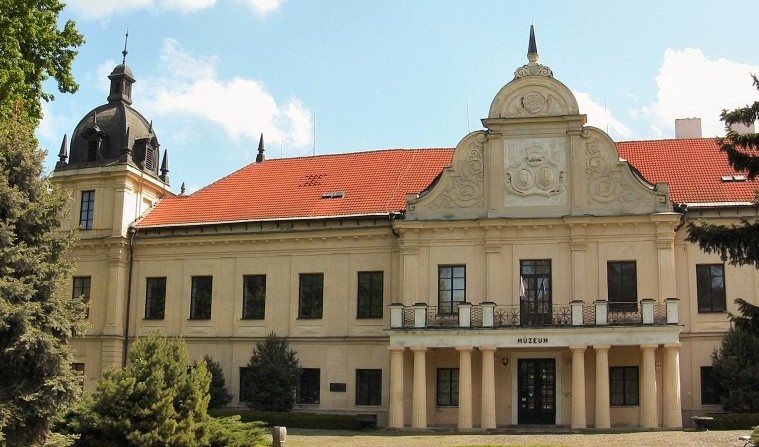
 In 2013, the ball contributed funds toward the purchase of diagnostic equipment to support the Lung Ward of Trebišov Hospital (Tőketerebes Állami Kórház Tüdőosztály) in Eastern Slovakia (in former Upper Hungary). The Lung Ward treats numerous patients who contracted lung cancer or other lung-related diseases, following the Chernobyl disaster. Tőketerebes (Trebišov in Slovak) was home to the Andrássy family’s residence. Built in 1786 by Count Csáky I., it was inherited by the Andrassy family who remodeled it in the neo-rennaissance style. Count Gyula Andrassy, the Kingdom of Hungary’s last foreign minister, was born and raised here. Although in 1910 there were 2323 Hungarians and 2181 Slovaks living here (out of a population of 4708), by 2001, the ethnic makeup had changed significantly and reflects the decline of Hungarian populations in Slovakia and elsewhere in the Carpathian Basin due to many factors including widespread anti-Hungarian practices. Out of a population of 22,000 it had become 87% Slovak, 8.9% Roma, and only 1.7% Hungarian.
4. The Claude Alexander Volunteer Program supporting Walter Reed Hospital was founded by Mike Healy in 2005 to help wounded U.S. Army soldiers being treated at Walter Reed Army Medical Center in Washington, DC. The program provides outpatients and their families with access to free off-post recreational events.
5. The Budapest-based Juvenile Cancer Foundation. There are approximately 300 children who are diagnosed with cancer in Hungary every year. The key objective of the Foundation is to build a reference 300-bed hospital and treatment center for children with cancer which would offer medical services ranging from diagnosis to sustainable treatment on the level of developed nations by highly qualified medical doctors, nurses and social workers to ensure the recovery of children.
6. The Hungarian Elementary School in Vaján, Slovakia. The school is located in a little ethnic Hungarian village of under 800 people, Vaján (or Vojany in Slovak after annexation following the Treaty of Trianon) in the Kassa District (Kosice) of Slovakia. [read more]
7. “Classrooms of the Future” – This program builds Educational Bridges between the US and Hungary and Promotes Science Education. Securing the support of Dr. Janos Horvath, Hungarian Member of Parliament, AHF worked with McIntosh Junior High School in Sarasota, Florida. The objective is to have students in Zalaber Elementary School in Hungary work directly on scientific programs with their US counterparts via laptop teleconferencing.

8. The Smithsonian Folklife Festival: Hungarian Heritage – Roots to Revival
2013 also supported a unique opportunity for our community, the Smithsonian Folklife Festival. The Festival’s theme was “Hungarian Heritage – Roots to Revival” and featured a wide spectrum of activities from Hungarian folk crafts to dance and music from various Hungarian communities, including Transylvania. [read more]
100 ÉVES A NEMZETKÖZI CSERKÉSZMOZGALOM
– MIT JELENT EZ SZÁMUNKRA? – Száz évvel ezelott egy afrikai szolgálatból
hazatéro angol katonatiszt elindította azt a nevelo mozgalmat,
amely mára a világ legnagyobb ifjúsági szerveztévé
fejlodött. Lord Baden Powell az ifjúság kalandvágyára
és romantikus hajlamára alapozta jellemnevelo rendszerét,
amellyel talpraesett, testben és lélekben egészséges, jellemes fiatalokat nevel. Az új mozgalom futótuzként terjedt szét a
világon. Magyarország az elsok között volt, ahol
nevelok és vezeto államférfiak – élvonalban
olyan kimagasló személyekkel, mint gr.Teleki Pál és Sík Sándor
– felismerték a cserkészet értékét.
Felismerték, hogy egy cserkészszellemu fiatalság
megalapozhat egy életképes, szilárd erkölcsi alapokon nyugvó,
sikeres társadalmat. Ezáltal a meglátás által
vezérelve, kidolgozták a magyar cserkészet rendszerét,
kiegészítve a Baden Powell-i alapokat egy jellegzetesen
magyar színezettel.
Sík Sándor fogalmazta meg legtömörebben, hogy a magyar cserkészet célja “emberebb emberek, magyarabb magyarok” nevelése. Hála a magyar vezetoség kiváló muködésének, a két világháború között a magyar cserkészet – a trianoni csonkítás ellenére – világviszonylatban kimagasló és elismert szervezetté vált. Teleki Pált beválasztották a világcserkészet legfelsobb vezetoségébe, a cserkész világtalálkozókon, versenyeken a magyar kontingens az elsok között végzett, és mindennek koronájaként Magyarországnak jutott az 1933-as nagysikeru gödöllöi jemboree megrendezése. Szinte látnoki ihlet által vezérelve, az akkori magyar vezetoség olyan foglalkozási és nevelési anyagot, u.n. “próbarendszert,” dolgozott ki, amely erkölcsi és gyakorlati tartalmán kívül kihangsúlyozta a magyar hagyományokat és kulturális értékeket. Ez, és a magyar cserkészet elsorangú vezetoképzo rendszere, tették lehetové, hogy amikor a kommunista rendszer betiltotta muködését, a magyar cserkészet zökkenomentesen folytatódhasson külföldön. Az ötvenes évek közepére már magyar cserkészcsapatok muködtek nemcsak Nyugat-Európában, hanem Észak- és Dél-Amerikában, valamint Ausztráliában is.
A Baden-Powell-i cserkészet és annak jellegzetesen magyar változata olyan szerencsés induló alapot nyújtott, amelynek segítségével a Külföldi Magyar Cserkészszövetség immár 62 éve tesz eleget jellemnevelo és magyarságorzo küldetésének. De nyújtott olyan alapot is, amelynek segítségével a kommunista rendszer bukását követoen azonnal megalakultak a magyar cserkészszövetségek mind az anyaországban, mind a környezo országok magyarlakta területein.
Ma már a Külföldi Magyar Cserkészszövetségen kívül a Kárpát-medence minden országában muködnek magyar cserkészszövetségek, összesen hét szövetség, amelyek közös rendezvényekkel, programokkal és egymást támogatva munkálkodnak az összmagyar fiatalság nevelésén és nemzeti öntudatának megorzésén. És így, egy angol katonatiszt által száz éve elindított gondolat adta meg azt a keretet, amelyen belül a négy évtizedes kommunista uralom alatt külföldön ápolhattuk külföldi fiataljaink magyar nyelvtudását és nemzeti érzését, hogy aztán a szovjet birodalom bukása után, országhatárokat áthidalva, összekösse a Kárpát-medencében és a világ minden táján élo magyar ifjúságot. – Dömötör Gábor