On October 23, 1956, students and workers in Budapest marched for freedom, national independence and an end to Soviet domination. Within days the demonstration became a nationwide revolution. On November 4, Soviet tanks returned to crush it.
Hungarians from all walks of life rose up against insurmountable odds. Thousands died fighting, tens of thousands were wounded and imprisoned, others (men, women and children) were tortured and executed, and some 200,000 fled their homeland, many of them to the United States. Their sacrifice seemed in vain at the time. Today it is remembered as one of the first great cracks in the Soviet empire, a cause that helped bring the Iron Curtain down in 1989.
AHF and 1956
The American Hungarian Federation played a key role in helping the refugees of 1956 begin new lives in America (read AHF’s key role in assisting 1956 refugees). For the 50th and 60th anniversaries, AHF worked with members of Congress on resolutions honoring the Revolution and organized commemorations in Washington and across the country. Our 1956 archive brings together these commemorations, documents and the 16 Points of the revolutionaries.
Commemorations in 2026
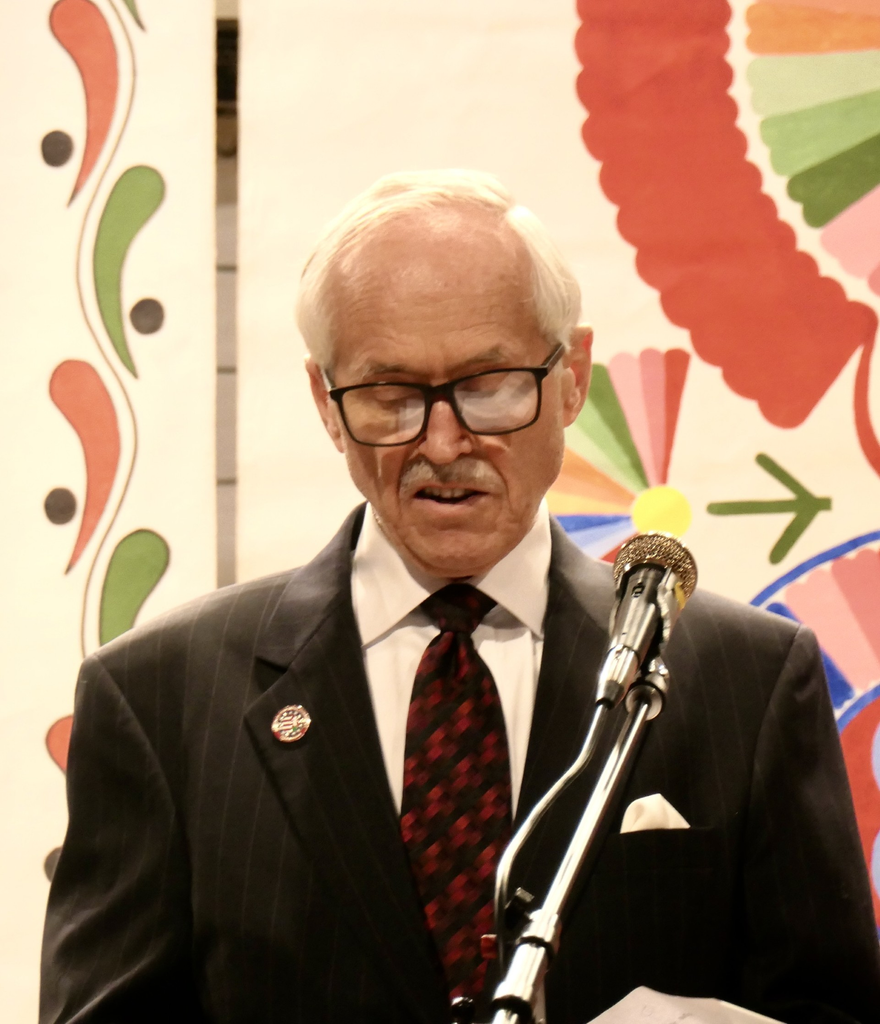
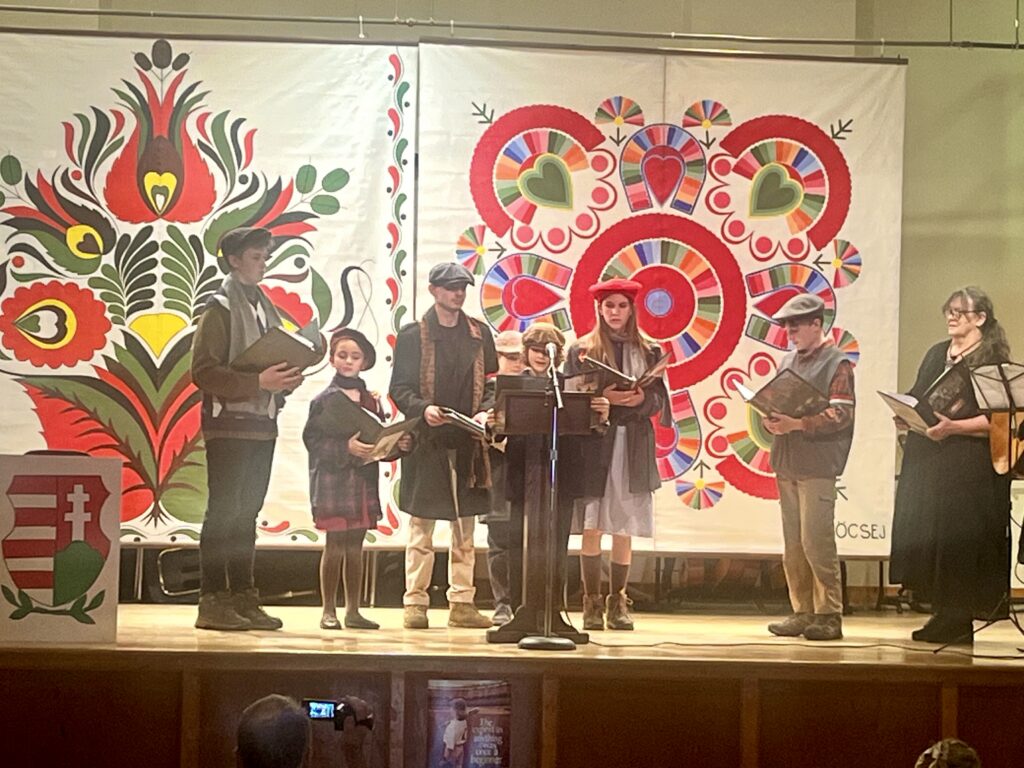
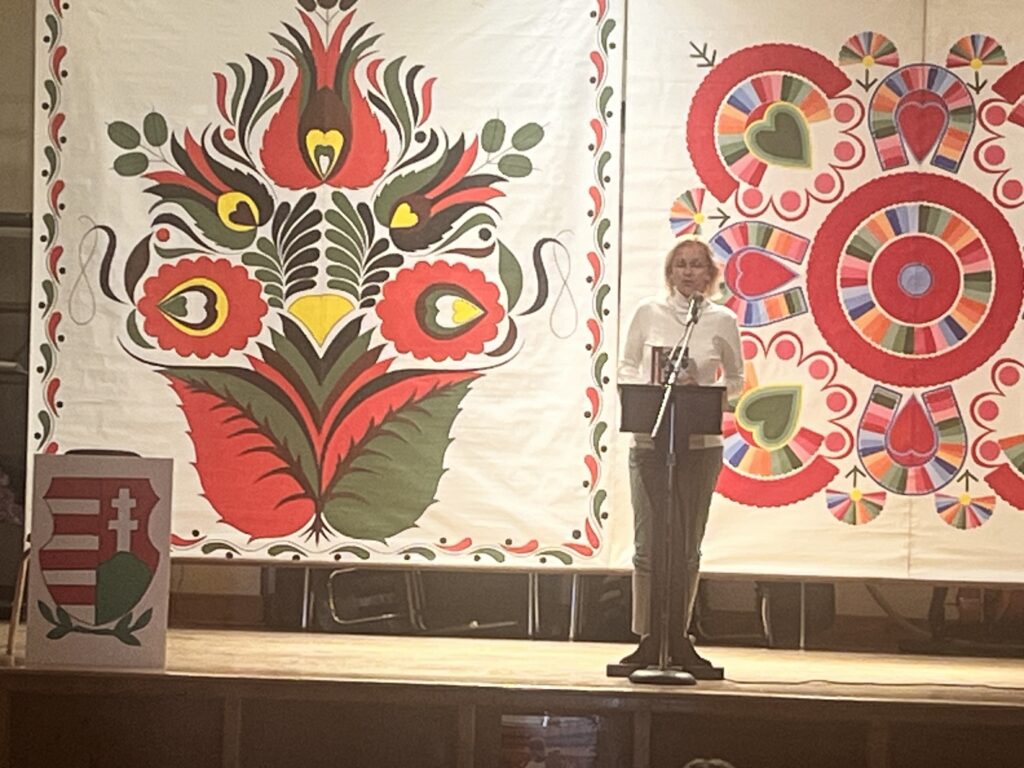
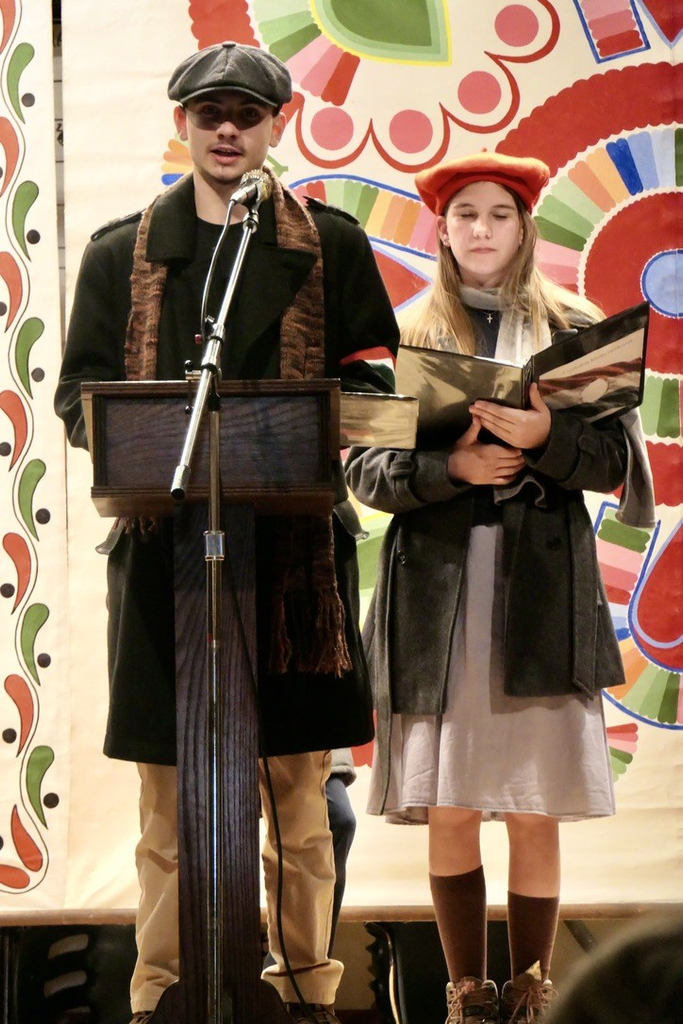
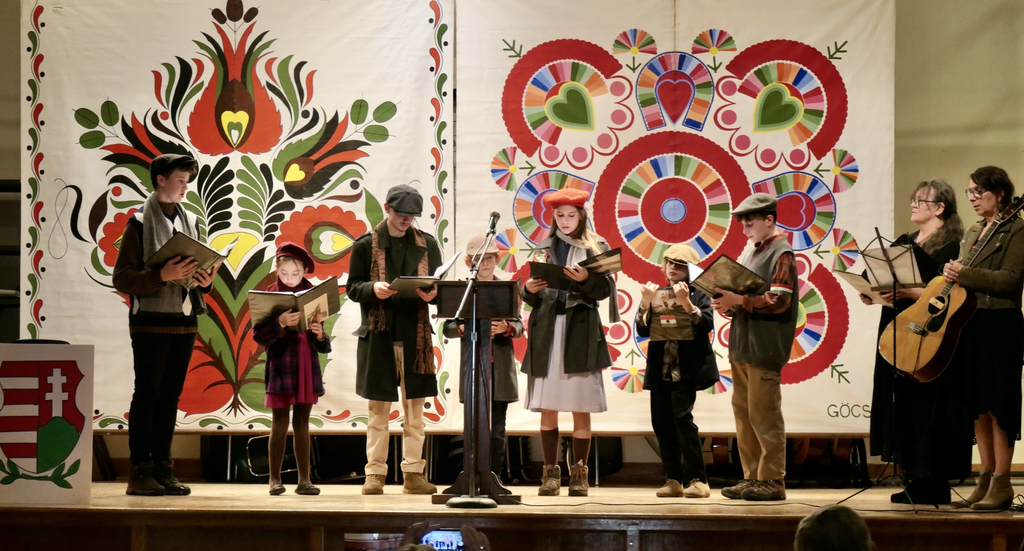
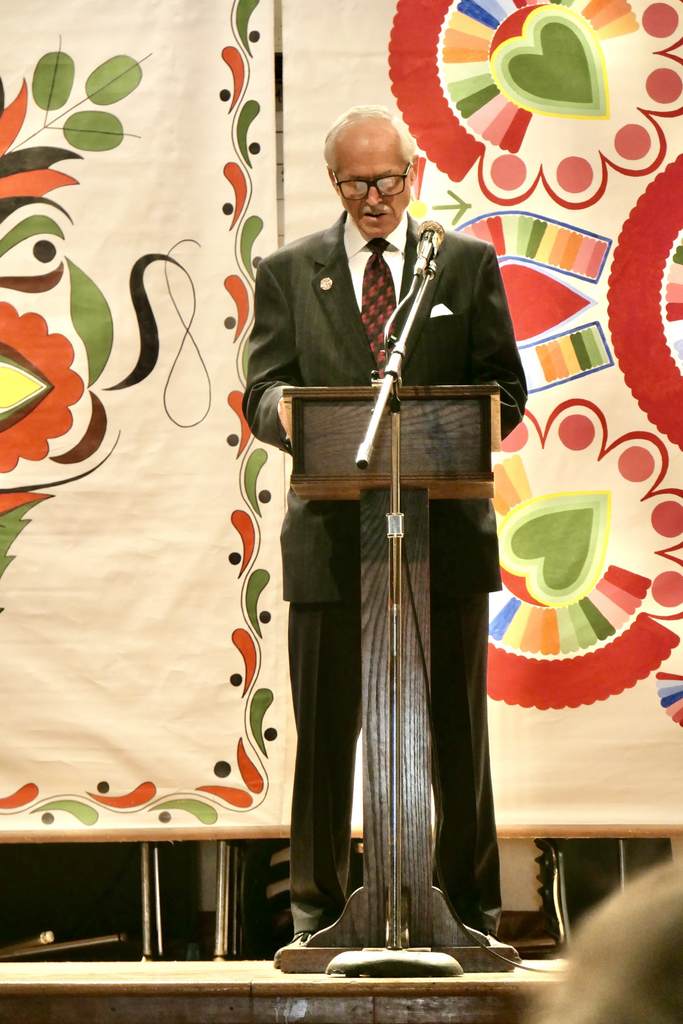
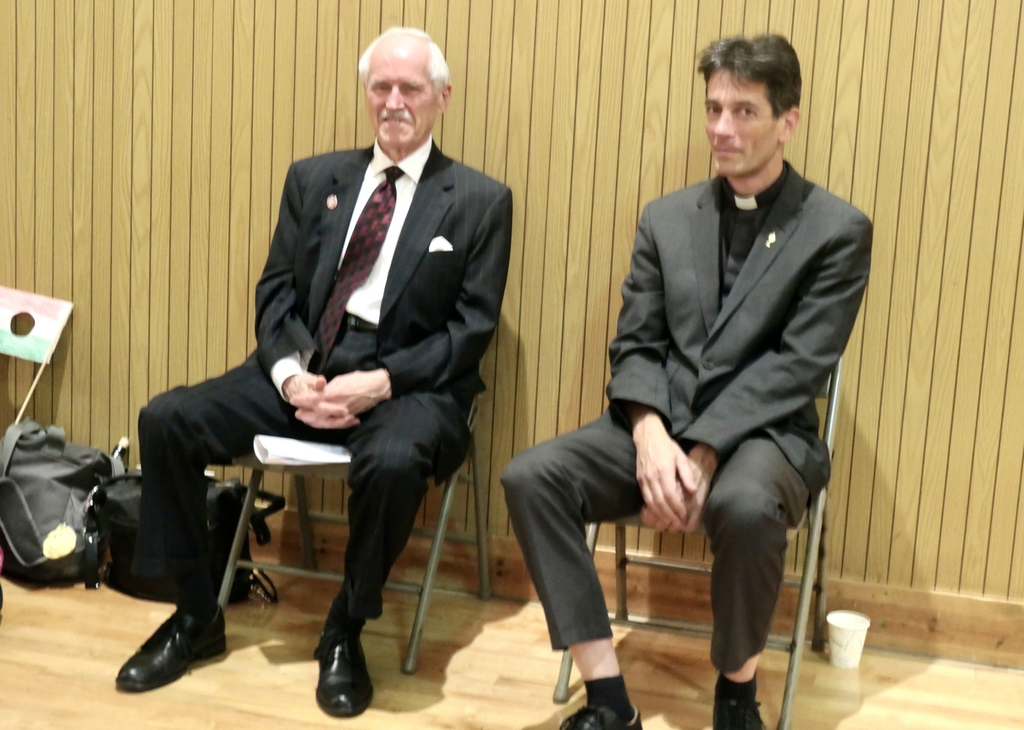
President Emeritus Ákos L. Nagy delivered remarks at Szent István Templom in Passaic, New Jersey https://ststephenspassaic.com/ on October 25, 2026, commemorating Hungary’s 1956 fight for freedom and reminding us of the enduring value of liberty and the importance of safeguarding the freedoms we cherish today.
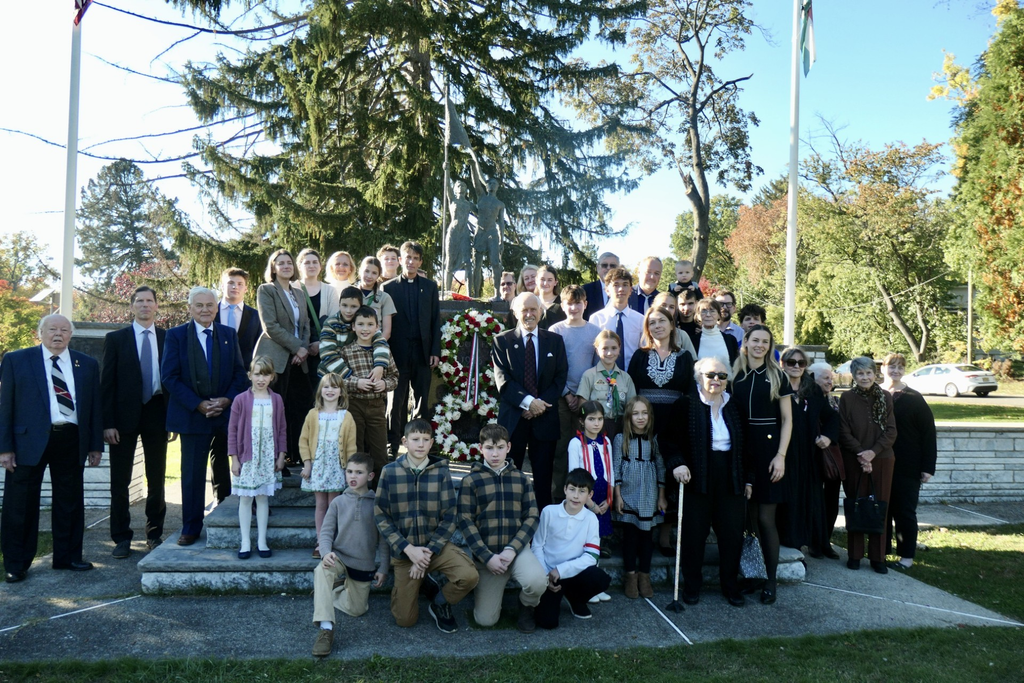
Beszéd az 1956-os magyar forradalom és szabadságharc 70. évfordulójára
Ákos L. Nagy
2026. október 25.
Szent István Római Katolikus Templom
Passaic, New Jersey
Kedves Hölgyeim és Uraim! Imre atya! Dr. Miglóczi Petra konzul asszony és Juhász úr!
A mai napon azért gyűltünk össze, hogy felidézzük nemzetünk történetének egyik legtisztább, legfelemelőbb és egyben legtragikusabb pillanatát: 1956. október 23-át és az azt követő hetek hősies küzdelmét.
Amikor 1956 őszén a magyar nép felkelt a zsarnokság ellen, a szabadságvágy törte át a félelem falát. Egyetemisták, munkások, művészek, fiatalok és idősek vállvetve álltak ki az emberi méltóságért, az önrendelkezésért és a függetlenségért. 1956 üzenete az volt, hogy a szabadság nem ajándék, nem kiváltság, hanem a nemzet létezésének alapfeltétele.
A szabadságharc kiváltója a kommunista, sztálinista terrorállam volt. Rákosi Mátyás rettegésben tartotta a magyar népet a szovjet megszálló hadsereg segítségével.
Az 56-os menekültek és a szabadságharcosok közül sokan átadták a szabadságharc szellemét utódaiknak. Mindannyiunk kötelessége ezt továbbadni a fiataloknak, akik oly szép számmal vannak itt jelen: cserkészek, magyar iskolások és más fiatalok. Hozzájuk fordulok most néhány gondolattal, abban a reményben, hogy magukévá teszik a haza és a szabadság szeretetét. Ők képviselik a magyarság jövőjét itt Amerikában.
Kedves fiatalok! Kende, Gergely, Gergő, Gerri, Timi, Nándor, Emese és Viola, és bocsánatot kérek azoktól a fiataloktól, akiknek a nevét kihagytam. Igen, hozzátok szólok!
Gondoljatok bele egy pillanatra: amikor tegnapelőtt reggel, pénteken felébredtetek, mi volt az első dolog, amit tettetek? Talán megnéztétek a mobilotokat, üzenetet küldtetek a barátaitoknak, zenét hallgattatok, beszélgettetek a barátaitokkal, vagy éppen az volt a gondotok, hogy milyen ruhát vegyetek fel. Senki sem kérdezte meg tőletek az utcán vagy az iskolában, hogy a szüleitek mit gondolnak a világról, vagy járnak-e templomba. Számotokra ez a világ legtermészetesebb dolga. Úgy születtetek bele ebbe a szabadságba, mint a hal a vízbe – természetesnek veszitek!
De vajon mi történne, ha holnap reggel, hétfőn bekapcsolnátok a mobilotokat, és csupa hazug propagandahírt látnátok? Ha nem hallgathatnátok azt a zenét, amit akartok, nem olvashatnátok azt a könyvet vagy blogot, amit szeretnétek, nem barátkozhatnátok azokkal, akikkel akartok, nem mehetnétek oda, ahová szeretnétek, és nem mondhatnátok ki azt, amit gondoltok, mert attól kellene félnetek, hogy valaki elvisz benneteket vagy a szüleiteket az éj leple alatt?
El sem tudjátok ezt képzelni, de így éltek a fiatalok 1956-ban! A forradalom pontosan ez ellen tört ki! A fiatalok, hozzátok hasonló tinédzser diákok és fiatal egyetemisták döntöttek úgy, hogy nem tűrik tovább ezt az elnyomást!
Pontosan hetven évvel ezelőtt Magyarország egy olyan hatalom rabja volt, amely fegyverrel, titkosrendőrséggel, terrorral és félelemmel tartotta sakkban az embereket. Lezárt függönyű fekete autókkal jöttek az ÁVO-sok, betörték a ház ajtaját, és elvittek egy szülőt! Így tartották félelemben a társadalmat!
Október 23-án azonban valami csoda történt. Fiatal diákok vonultak az utcára Budapesten, változást akartak! Pár száz diák békés tüntetésével indult a megmozdulás. Hamarosan több százezer emberre duzzadva követelték a szabad Magyarországot!
Követeléseik:
- A szovjet csapatok kivonulását Magyarországról!
- Szabad, többpárti választásokat!
- Szólásszabadságot és szabad sajtót!
- Az ÁVO, a titkosrendőrség megszüntetését!
Az ÁVO a békés tüntetők legnagyobb meglepetésére közéjük lőtt. Sokan megsebesültek és meghaltak! De ahelyett, hogy megfutamodtak volna, a magyarok – élükön a fiatalokkal, az úgynevezett „pesti srácokkal” – hamarosan fegyvert ragadtak, és a honvédség nagy része átállt az oldalukra.
Tizenhárom napig tartott ez a csoda. Egy kis ország gyermekei szembe mertek szállni a világ egyik legerősebb katonai hatalmával, a Szovjetunióval. Képzeljétek el: tizenéves srácok Molotov-koktélokkal a kezükben, iskola helyett a füstölgő utcákon harcolva a szabadságért. Nem hatalmat akartak, nem gazdagságot. Csak azt akarták, hogy ők maguk dönthessék el, hogyan éljenek.
A reageni üzenet: A szabadság ára (kb. 3 perc)
Fel kell tennünk a kérdést: miért történhetett ez meg? Hogyan veszítheti el egy nemzet a szabadságát?
Erre a kérdésre az Egyesült Államok egykori elnöke, Ronald Reagan adott egy felejthetetlen választ, amely mindannyiunk számára figyelmeztetés kell hogy legyen. Reagan ezt mondta:
„A szabadság törékeny dolog, és soha nincs messzebb a pusztulástól, mint egyetlen nemzedék. Nem örökségként kapjuk; minden egyes nemzedéknek újra meg kell küzdenie érte, és folyamatosan védenie kell, mert a szabadság csak egyszer adatik meg egy népnek. Akik megismerték a szabadságot, majd elveszítették, soha többé nem látták újra.”
Álljunk meg egy pillanatra e szavaknál!
Reagan azt mondja: a szabadság nem olyan, mint a családi ház vagy a bankszámla, amit örökölnek a gyerekek. Ha egy nemzedék azt hiszi, hogy a szabadság magától örökölhető, ha elkényelmesedik, és nem hajlandó megvédeni – akkor elég egyetlen nemzedék ahhoz, hogy a szabadság elvesszen.
1956-ban a magyar ifjúság ezt a kemény leckét brutális áron tanulta meg. Ők ott voltak a frontvonalban, mert megértették: ha most nem állnak ki, a következő generáció már egy örökre leláncolt világban fog élni.
A bukás és a hallgatás évei (kb. 2 perc)
November 4-én aztán bekövetkezett a tragédia. A szovjetek újabb hatalmas tanksereget szabadítottak rá Budapestre. Rommá lőtték a lakóházakat, és vérbe fojtották a forradalmat.
A tizenhárom napos szabadság után egy évtizedig a megfélemlített hallgatás következett. Azok a pesti srácok, akik nem haltak meg a harcokban, börtönbe kerültek, vagy elmenekültek családjuktól, hazájuktól.
De hiábavaló volt?
Soha nem hiábavaló a szabadságért harcolni! 1956 megmutatta a világnak, hogy nem lehet megtörni teljesen az emberi lélek szabadságvágyát. A pesti srácok szabadságvágya 1989-ben vált valósággá, amikor a vasfüggönyt ledöntötték.
Zárás: A ti kezetekben a jövő (kb. 2 perc)
Kedves fiatalok! Miért hoztam ide nektek szavaimat?
Mert most ti ültök ebben a teremben, és ti vagytok a jövő. Lehet, hogy nektek nem fegyverrel kell majd harcolnotok a szabadságért. De a ti szabadságotok sem adott, mindig résen kell lennetek!
75 éve itt élek Amerikában, itt, ebben az épületben jártam óvodába, és szemtanúja vagyok annak, hogy Amerika ma már nem olyan szabad, mint amikor benne felnőttem! Az iskolákban azt tanították, hogy jó erkölcsű ember és hazafi legyél, önállóan gondolkozzál! Nem próbáltak például természetellenes „gender” és DEI-propagandát ránk kényszeríteni! Én minden nap ez ellen küzdök, és nektek is ezt kell tenni, ha szabadságotokat meg akarjátok őrizni. Amerikában és világszerte, úgy Magyarországon is, nem idegen megszállástól kell félni, hanem a korszellem ártalmas követeléseitől.
A szabadság nemcsak emberi jog, hogy azt csináljátok, amit akartok, hanem felelősséggel jár.
- Felelősség, hogy ne higgyétek el a korszellem félrevezető elveit!
- Felelősség, hogy kiálljatok a saját igazatokért.
- Felelősség, hogy értékeljétek a szabad világot, amit a pesti srácok 1956-ban próbáltak életük árán visszaállítani!
Őrizzétek meg ezt a szabadságot! Legyetek ti is olyan bátrak, mint a pesti srácok voltak hetven évvel ezelőtt.
Kedves magyar testvéreim!
1956 nem csupán a múlt egy tragikus eseménye, hanem a magyar identitás és demokrácia egyik alapköve. Megmutatta a világnak, hogy mire képes egy kis bátor nép, amikor összetart! Az 1956-os hősök áldozata nélkül Magyarország nem lenne egy független, demokratikus ország. Az ő bátorságuk, emberségük és hazafiságuk szabja meg a mi mindennapi feladatainkat:
- A szabadság megőrzését!
- A nemzeti összefogást, valamint magyar nyelvünk és kultúránk megőrzését itt Amerikában!
- Az 1956-os hősök szellemének átadását a következő nemzedéknek!
Most hajtsunk fejet az 1956-os mártírok, a névtelen hősök és a megtorlás áldozatai előtt!
Dicsőség a hősöknek, tisztelet az áldozatoknak!
Köszönöm, hogy meghallgattak! Kedves magyar testvéreim!
Akos L Nagy
2026 Oktöber 25
St. Istvån R. K. Templom
Passaic, NJ
Speech Commemorating the 70th Anniversary of the 1956 Hungarian Revolution and War of Independence
Dear Ladies and Gentlemen! Father Imre! Consul Dr. Petra Miglóczi, and Mr. Juhász!
Today, we have gathered to recall one of the purest, most uplifting, and at the same time most tragic moments in the history of our nation: October 23, 1956, and the heroic struggle that followed in the ensuing weeks.
When the Hungarian people rose up against tyranny in the autumn of 1956, their desire for freedom broke through the walls of fear. University students, workers, artists, young and old stood shoulder to shoulder in defense of human dignity, self-determination, and independence. The message of 1956 was that freedom is not a gift or a privilege, but a fundamental condition for the very existence of a nation.
The uprising was sparked by the communist, Stalinist terror state. Mátyás Rákosi kept the Hungarian people living in fear, with the support of the Soviet occupying army. Many of the refugees of 1956 and the freedom fighters passed the spirit of the revolution on to their descendants. It is our responsibility to continue passing that spirit on to young people, many of whom are here today: scouts, students from Hungarian schools, and other young people.
I would now like to address them with a few thoughts, in the hope that they will embrace a love of their homeland and freedom. They represent the future of the Hungarian community here in America.
Dear young people!
Kende, Gergely, Gergő, Gerri, Timi, Nándor, Emese, and Viola—and I apologize to those young people whose names I may have left out. Yes, I am speaking to you!
Think about this for a moment: When you woke up the day before yesterday, Friday morning, what was the first thing you did? Perhaps you checked your phones, sent a message to your friends, listened to music, chatted with friends, or maybe your biggest concern was deciding what to wear.
Nobody stopped you on the street or at school to ask what your parents thought about the world or whether they attended church. To you, this is the most natural thing in the world. You were born into this freedom just as a fish is born into water—you take it for granted!
But what would happen if tomorrow morning, Monday, you turned on your phones and saw nothing but false propaganda and lies in the news? What if you could not listen to the music you wanted, read the books or blogs you chose, be friends with whomever you wished, go wherever you wanted, or say what you thought because you were afraid that someone might come and take you or your parents away in the middle of the night?
You can hardly imagine such a thing, but this is how young people lived in 1956!
That is precisely what the Revolution was fought against! Young people—teenage students and university students just like you—decided that they would no longer tolerate this oppression.
Exactly seventy years ago, Hungary was held captive by a regime that kept its people under control through weapons, secret police, terror, and fear. The ÁVO secret police would arrive in unmarked black cars with curtained windows, break down the doors of people’s homes, and take away a parent in the middle of the night! That is how they kept society terrified.
But on October 23, something extraordinary happened. Young students took to the streets of Budapest. They wanted change! What began as a peaceful demonstration by a few hundred students soon grew into a movement of hundreds of thousands demanding a free Hungary.
Their demands included:
- The withdrawal of Soviet troops from Hungary!
- Free, multiparty elections!
- Freedom of speech and a free press!
- The abolition of the ÁVO, the secret police!
To the great shock of the peaceful demonstrators, the ÁVO opened fire on them. Many were wounded and killed! But instead of retreating, Hungarians—led by young people known as the Pesti Srácok, or “Boys of Pest”—soon took up arms, and much of the Hungarian military joined their side.
This miracle lasted thirteen days. The children of a small country dared to stand up against one of the world’s most powerful military forces: the Soviet Union.
Imagine it: teenage boys holding Molotov cocktails, fighting for freedom in smoke-filled streets instead of sitting in their classrooms. They did not seek power or wealth. They simply wanted to decide for themselves how they would live.
Reagan’s Message: The Price of Freedom
We must ask ourselves: Why could this happen? How can a nation lose its freedom?
The former President of the United States, Ronald Reagan, gave an unforgettable answer to this question, one that should serve as a warning to all of us.
Reagan said:
“Freedom is a fragile thing, and it is never more than one generation away from extinction. It is not passed along in our bloodstream. It must be fought for, protected, and handed on for each generation to do the same, for freedom is never more than one generation away from extinction. Those who have known freedom and then lost it have never known it again.”
Let us pause for a moment and reflect on these words!
Reagan is telling us that freedom is not like a family home or a bank account that children simply inherit. If one generation believes that freedom can be preserved automatically, if it becomes complacent and is unwilling to defend it, then it takes only one generation for freedom to be lost.
In 1956, Hungarian youth learned this difficult lesson at a brutal price. They stood on the front lines because they understood that if they did not stand up then, the next generation would grow up in a world chained forever.
The Defeat and the Years of Silence
Then, on November 4, tragedy struck. The Soviets unleashed another enormous army of tanks against Budapest. They reduced residential buildings to rubble and drowned the Revolution in blood.
After thirteen days of freedom came decades of enforced silence and intimidation. Those Boys of Pest who did not die in the fighting were imprisoned or forced to flee their families and their homeland.
But was it all in vain?
It is never in vain to fight for freedom!
1956 showed the world that the human spirit’s desire for freedom can never be completely broken. The freedom sought by the Boys of Pest finally became a reality in 1989, when the Iron Curtain was brought down.
The Future Is in Your Hands
Dear young people! Why am I directing these words to you? Because you are sitting here in this room today, and you are the future.
Perhaps you will not have to fight for freedom with weapons. But your freedom is not guaranteed either. You must always remain vigilant!
I have lived in America for 75 years. I attended kindergarten right here in this very building, and I am a witness to the fact that America today is no longer as free as it was when I was growing up.
In our schools, we were taught to become people of good moral character and good patriots, and to think independently! We were not subjected, for example, to attempts to impose what I consider unnatural gender and DEI propaganda upon us.
I fight against these developments every day, and you must do the same if you wish to preserve your freedom.
In America and throughout the world, including Hungary, the danger today is not necessarily a foreign occupation, but rather the harmful demands and pressures of the prevailing spirit of the times.
Freedom is not simply a human right that allows you to do whatever you want. It also comes with responsibility.
- The responsibility not to accept the misleading ideas and principles of the prevailing culture without question!
- The responsibility to stand up for what you believe is right.
- The responsibility to appreciate the free world that the Boys of Pest tried to restore in 1956, at the cost of their lives!
Preserve this freedom! Be as courageous as the Boys of Pest were seventy years ago!
Dear Hungarian brothers and sisters!
Let us now bow our heads in remembrance of the martyrs of 1956, the unnamed heroes, and the victims of the reprisals that followed.
Glory to the heroes, honor to the victims!
Thank you for listening!
Akos L Nagy
October 25th 2026
St. Stephen’s RC Church
Passaic, NJ