
3/11/2012 – AHF commemorates Hungarian National Day and the 1848 War of Independence. The commemoration emphasized Hungary’s revered history of standing up for freedom and liberty against great odds, including in 1848 – 1849, and urged that this history not be defamed through political expediency.
Related
AHF and Kossuth in the US Capitol [read more]
News, Articles and Speeches from other 2012 Commemorations:
- Budapest, Hungary
 Ünnepélyes zászlófelvonás a Kossuth téren, 2012. március 15 (magyarul / Hungarian Television programming) [tovább]
Australia (Tasmania)
Attila J. Ürményházi on the Occasion of the 2012 Commemoration of the 1848-1849 Hungarian War of Independence
Hobart, 2012 március 18
[tovább magyarul]- AHF 2012 Commemoration
- AHF 2011 Commemoration
- AHF 2010 Commemoration
- AHF 2009 Commemoration
- AHF 2007 Commemoration
- AHF 2006 Commemoration
- AHF 2004 Commemoration
- Famous Quotations
- About Louis Kossuth
 Hear Louis Kossuth Speak! Audio Recording and text of 1890 Louis Kossuth
speech
- Audio and text of the Kossuth Anthem, “Kossuth Lajos azt Uzente”
- Links
Today, there are many reminders of Kossuth’s impact on America and the world. In North America, there is a Kossuth County in the state of Iowa, a town with his name in Indiana, Ohio and Mississippi, a settlement with a Kossuth Post Office is in Pennsylvania. In addition, there are Kossuth statues and plaques in New York, Cleveland, Akron, New Orleans, Washington, and Ontario, Canada. The Hungarian Reformed Federation‘s building on Dupont Circle, in Washington, DC is called Kossuth House with a memorial plaque commemorating his speech on democracy. See the picture gallery and memorials on Louis Kossuth in North America.
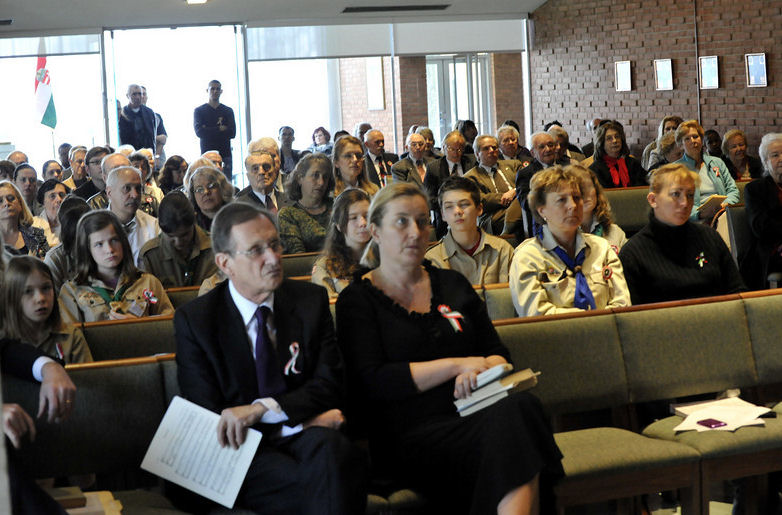
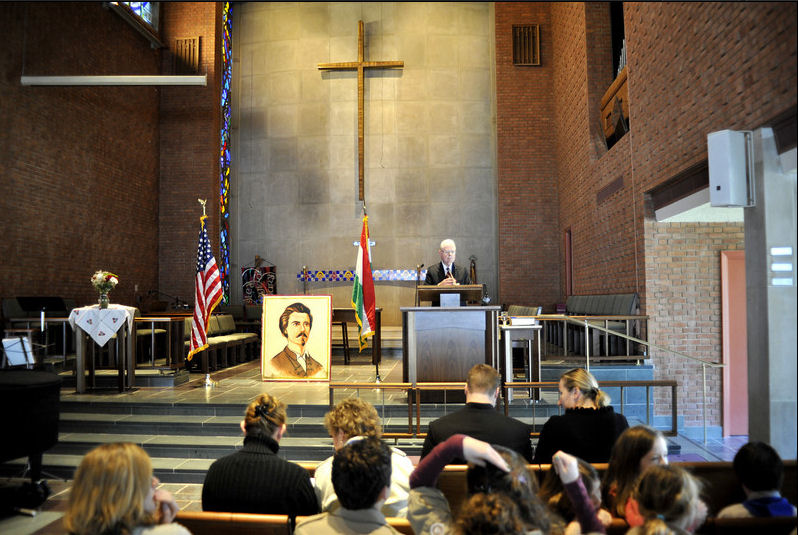
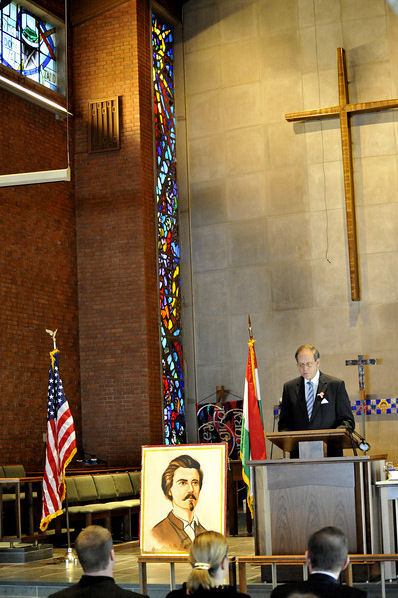
The 1848 Hungarian Revolution, under its leader Louis Kossuth sought to throw off the Austrian Yoke. It failed after Russian intervention, but its impact on the United States is felt even today. The annual commemoration of 1848, organized by the Washington, D.C. Chapter of the American Hungarian Federation was held this year on March 11th at the American University Kay Spiritual Center. Similar events were held across the country.
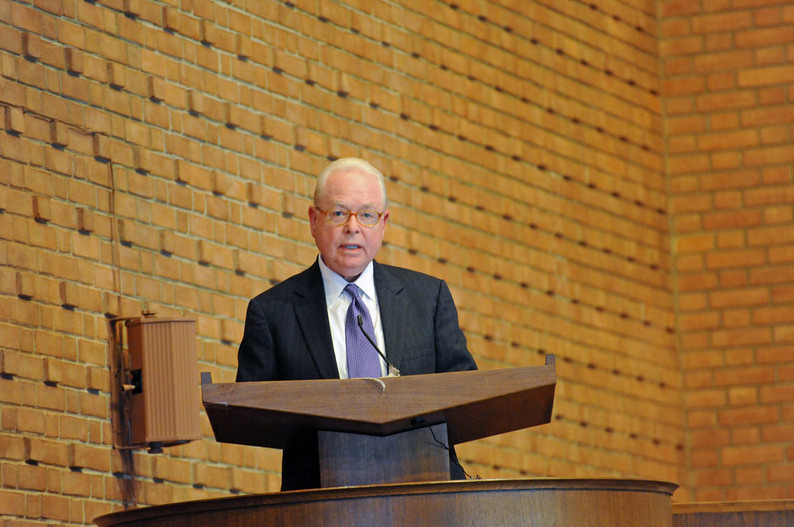
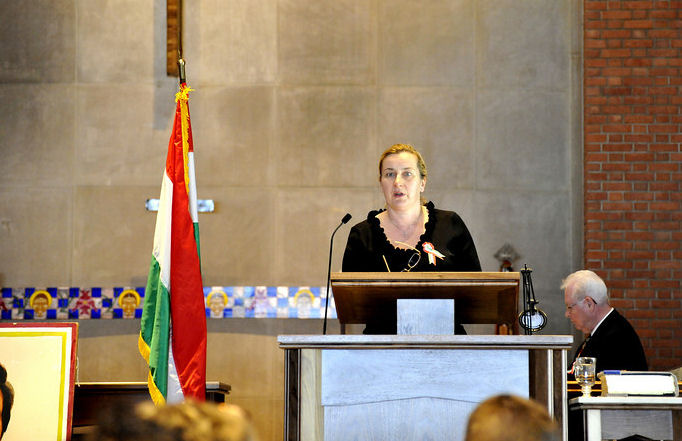
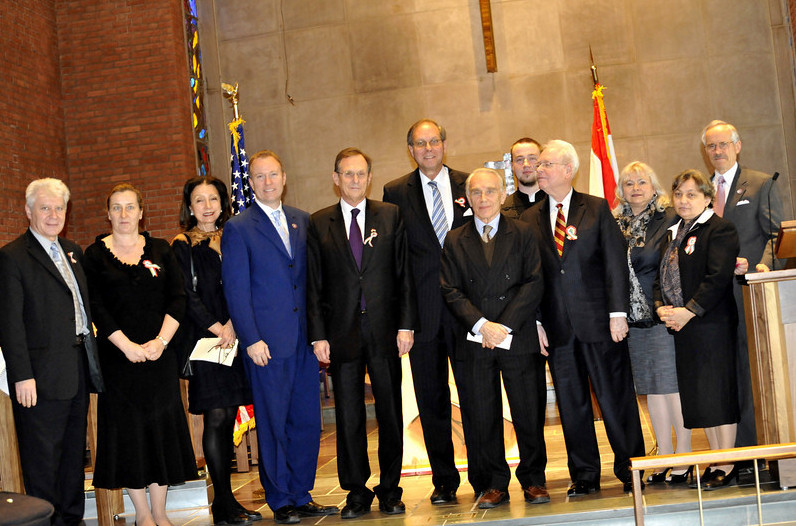
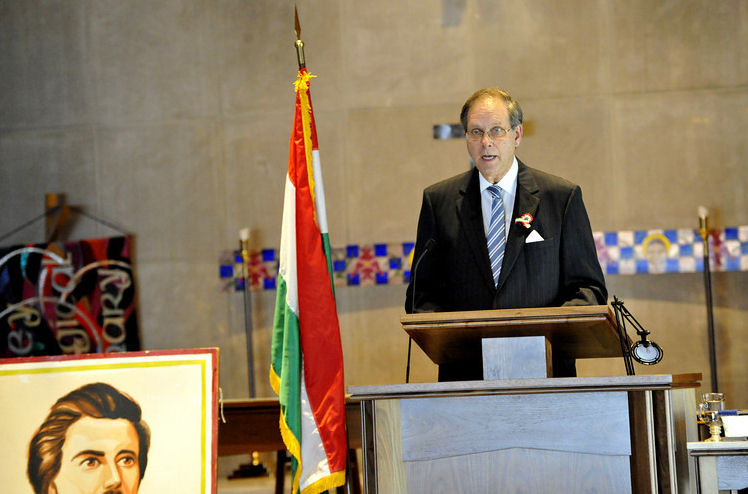
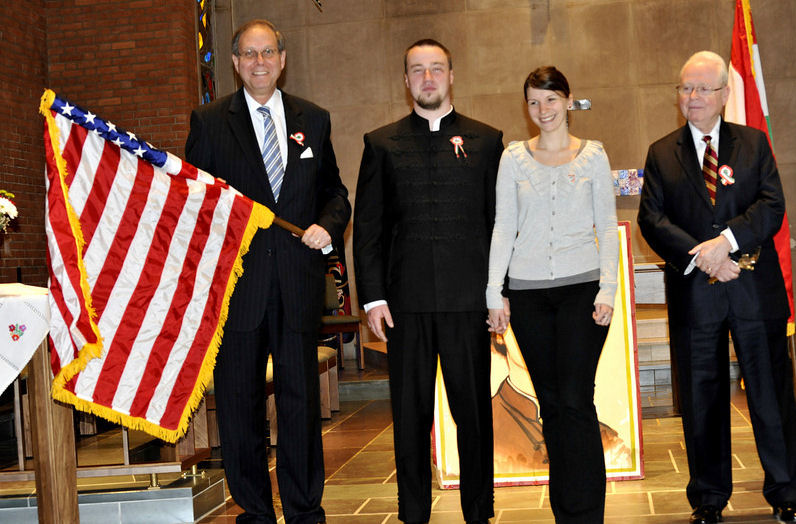
Each year, speakers focus on the significance of the 1848 revolution and how its ideals and goals relate to today’s Hungary. Zoltán Bagdy, AHF Co-President and Chair of its Cultural Affairs Committee, welcomed guests and served as Master of Ceremonies. Bryan Dawson, AHF Executive Chairman, sang the national anthems of the United States and Hungary and would later deliver the Keynote Address (Ünnepi Beszéd).

Andras Bacsi-Nagy, Deputy Chief of Mission, represented the Hungarian Embassy. In his Welcome Address, Mr. Bacsi-Nagy compared the transformational events of 1848 and 1956 with today. He recalled the Russian intervention in both conflicts and Hungary’s repeated hope for US support. The changes taking place today in Hungary are profound, he noted, deserving of American support from both sides of the aisle. He added that the current government’s economic and social platforms are compatible with US Democratic and Republican visions respectively:
“Magyarország ma ’48-hoz és ’56-hoz hasonló, történelmét hosszú távon meghatározó időszakot él át. A változás igénye ma nem kisebb, mint ’48-ban és ’56-ban. Mélyreható, érdemi döntések születnek, amihez joggal várnánk el – ismét – Amerika támogatását. Nem pártos kérdésről van szó. Obama elnök gazdasági programja épp annyira kompatibilis a magyar kormány törekvéseivel, mint a republikánusok társadalmi víziója.” [tovább]
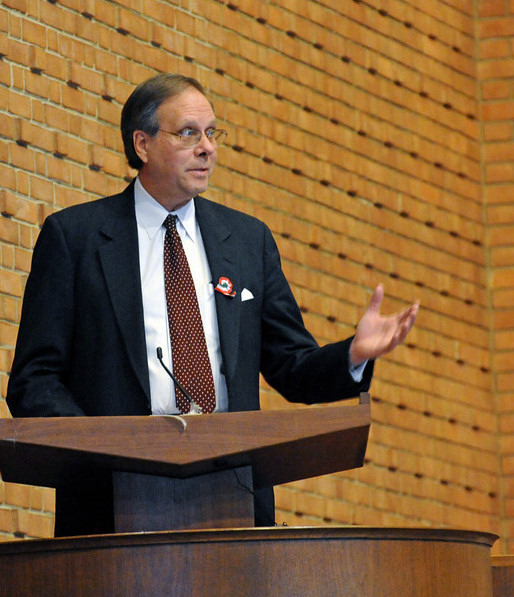
AHF President Frank Koszorus, Jr., delivered his annual “Reflections” address which this year focused on Kossuth’s affect on the relationship between Hungary and the United States, the need to protect Hungary’s international reputation, and the extreme negative affects on that reputation when poltical motivations outweigh honest debate.
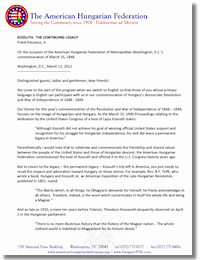

[ download Frank Koszorus’s Speech, “Kossuth, the Continuing Legacy”]
He commented:
“Regardless of our individual political preferences or perspectives on Hungary, we can all agree, I believe, that we should call for objectivity and evenhandedness bereft of partisan politics when judgments are made about Hungary. This should not be a liberal or conservative issue – it is a question of accuracy and fundamental fairness. Hungary has a revered history of standing up for freedom and liberty against great odds, including in 1848 – 1849, and it is not to be defamed through political expediency. It is this history that we commemorate today and wish to preserve as part of the permanent legacy left in the wake of Kossuth’s trip to the United States.” [download Frank’s speech]
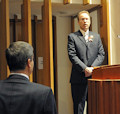
Bryan Dawson, AHF Executive Chairman, Committee delivered the 2012 Keynote Address entitled, “Novus Scotus Viator: A Case for a Kossuth-style Worldview in 2012.” [download Bryan’s speech (English and Hungarian)].
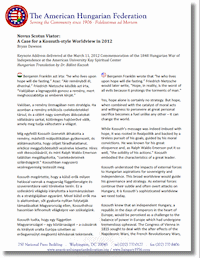

He reflected on how Kossuth’s worldview enabled him to not only recognize the impact of external forces on Hungarian sovereignty, but guided his strategy. Kossuth’s remarkable eloquence, sophistication and statesmanship not only gained friends and allies (his impact was particularly strong in United States), it significantly enhanced Hungary’s international reputation. Bryan added that the eventual decline of that reputation and the Hungarian leadership’s inability to deal effectively with external anti-Hungarians forces would leqad to the unthinkable: the dismemberment of Hungary. Bryan said:
“Kossuth understood the impact on external forces to Hungarian aspirations for sovereignty and independence. This broad worldview would guide his governance and strategy. As external forces continue their subtle and often overt attacks on Hungary, it is Kossuth’s sophisticated worldview we need today.”
“Kossuth knew that an independent Hungary, a republic in the days of emperors in the heart of Europe, would be perceived as a challenge to the balance of power in Europe which had undergone tremendous upheaval. The Congress of Vienna in 1815 sought to deal with the after effects of the Napoleonic Wars, the French Revolutionary Wars, and the disintegration of the Holy Roman Empire, which had lasted almost 850 years. Borders were redrawn and the European powers, many of whom emerged from 25 years of constant warfare, were obsessed with establishing and maintaining a new balance of power. Britain, for example, saw survival of the Austrian Empire as key to this strategy. An independent Hungary could result in the break-up of the Austrian Empire and tip the balance of power. Kossuth understood this.
The 1848 War of Independence crushed, he still sought ways to throw off the Austrian yoke and envisioned a new order to replace the Habsburgs: A Danubian Confederation. He intended to accommodate the forces of nationalism within the Danubian basin while preserving Hungary’s territorial integrity and replacing Austria’s position in the European balance of power.”
Bryan discussed the rise of nationalism in the late 1800’s through early 1900’s and the role of external forces, who now saw Hungary as a threat and manipulated ethnic tensions to Hungary’s detriment. He compared the efforts of Robert Seton-Watson, writing under his pen name “Scotus Viator,” who, along with Henry Wickham Steed as part of official British policy, greatly influenced negative attitudes toward Hungary, to today’s baseless attacks. He feels Hungary did not react well to these external forces and added that history seems to be repeating itself today with a new cadre of Scotus Viators against which there seems no effective strategy.
“Yes, Hungary is still under attack –Scotus Viator is alive and well. While the EU and media ignore the gross violations of human rights and dignity and anti-Hungarian pogroms across the Carpathian Basin, these same entities sue Hungary over inane internal policies such as the lowering of judge retirement age. As we saw with Scotus Viator, the media reprints baseless criticisms as fact. The new set of “Scotus Viators” recently accused Hungary of banning international media outlets, such as CNN, who informed the Federation that this allegation was false.”
Bryan had opened his speech quoting Benjamin Franklin and Friedrich Nietsche:
“Benjamin Franklin wrote that “he who lives upon hope will die fasting.” Friedrich Nietzsche would later write, “Hope, in reality, is the worst of all evils because it prolongs the torments of man.”
Bryan also discussed the promise of 1989, when Hungary finally was freed from communist rule, and the challenges Hungary faces in rebuilding a nation divided and bankrupted. Entire generations of Hungarians lived under a communist regime whose interest was to stifle Hungarians’ deep sense of pride and patriotism:
“Hungary remains divided with entire generations who could care less about their civic duty, their history, or their brothers on the other side of the border.”
While the EU and media harshly criticize Hungary for lowering judge retirement age, an internal policy decision, they ignore egregious attacks on human and minority rights. He closed the speech referring back to Franklin and Nietsche and reminding us that hope alone is not a strategy and cannot bring change. We need hard work and Kossuthesque eloquence and “solidity of action.”
“Here we are in 2012 remembering Kossuth and his moral acts. What would Kossuth do today? What will we do? We mustn’t live in hope as many will die fasting. We mustn’t quit. We must work in unity to bring about change lest we capitulate to Nietzsche and prolong the torment of our nation.”
Bryan urged the community to unite on common ground issues and to continue to support the Federation and its work:
“The issues we raise are common ground issues. They are not left vs. right, liberal vs. conservative. Human and minority rights are simply a question of right vs. wrong.”
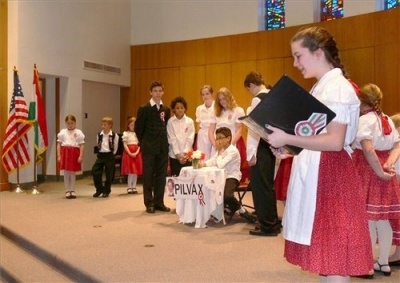
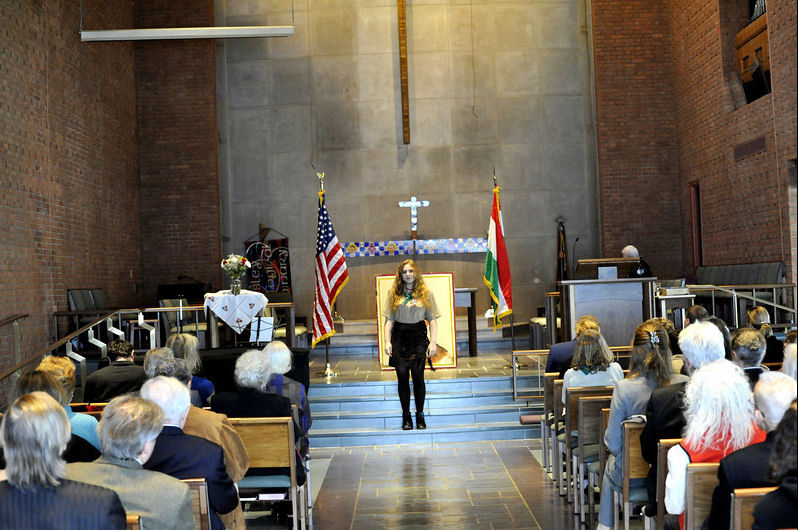
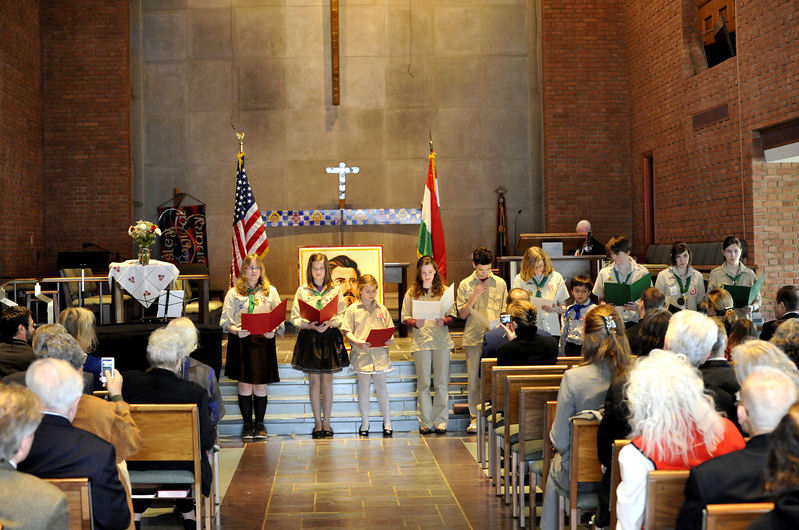
Members of the the The 4th Bátori József Hungarian Scouts Troop of Washington, DC seen here (photo courtesty of MTI Pogár Demeter), provided a major part of the program which included a poetic re-enactment of the beginnings of the 1848 Revolution, including Hargitai Adam who recited Petőfi Sándor’s Nemzeti Dal.
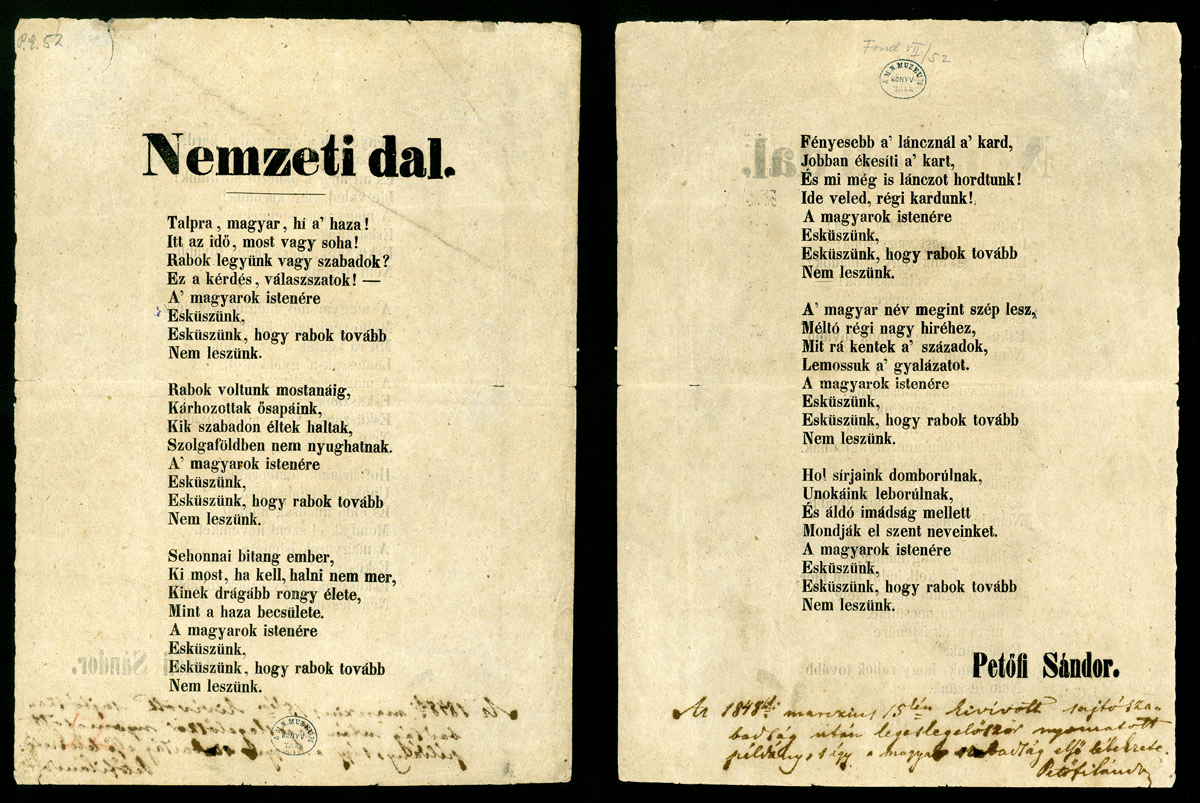
The Scouts then led the audience in the patriotic Kosuth Dalok (Kossuth Songs). The Revs. Peter Pal Cegledi and Judit Mayer of the Hungarian Reformed Church of Washington, D.C., provided the benediction and closing remarks respectively – Bryan Dawson.
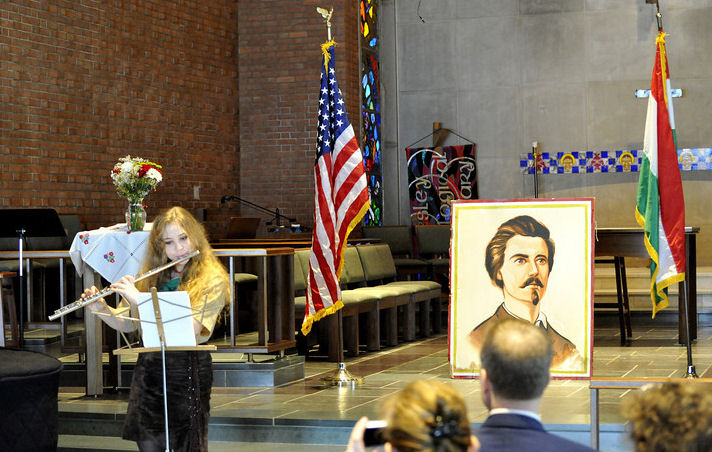
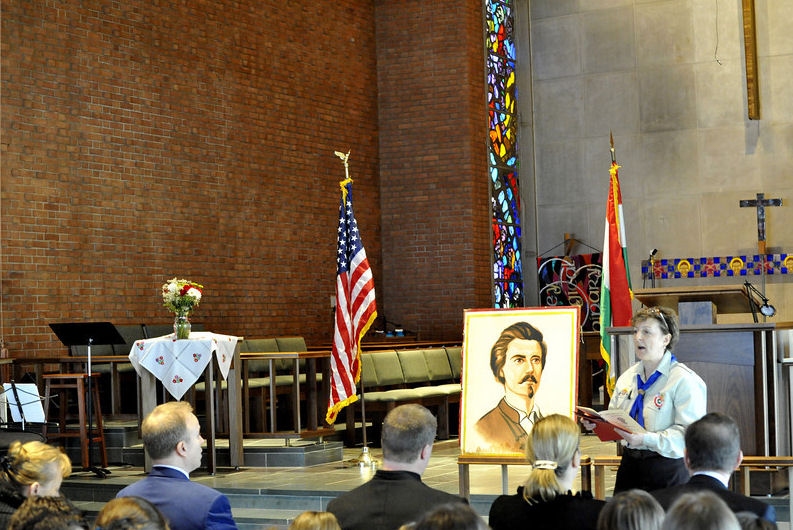
Photos below are of the 2011 Ceremony courtesy of Dr. Imre Nemeth.


Join and Support us online!
