1920 Antwerp
Related
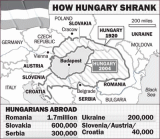
- In Upper Hungary (awarded to Slovakia, Czechoslovakia): 1,687,977 Slovaks and 1,233,454 others (mostly Hungarians – 886,044, Germans, Ruthenians and Roma) [according to the 1921 census, however, there were 1,941,942 Slovaks and 1,058,928 others]
- In Carpathian Ruthenia (awarded to Czechoslovakia): 330,010 Ruthenians and 275,932 others (mostly Hungarians, Germans, Romanians, and Slovaks)
- In Transylvania (awarded to Rumania): 2,831,222 Rumanians (53.8%) and 2,431,273 others (mostly Hungarians – 1,662,948 (31.6%) and Germans – 563,087 (10.7%)). The 1919 and 1920 Transylvanian censuses indicate a greater percentage of Romanians (57.1%/57.3%) and a smaller Hungarian minority (26.5%/25.5%)
- In Vojvodina 510,754 Serbs and 1,002,229 others (mostly Hungarians 425,672 and Germans 324,017)
- In Vojvodina and Croatia-Slavonia combined (awarded to Yugoslavia): 2,756,000 Croats and Serbs and 1,366,000 others (mostly Hungarians and Germans)
- In Burgenland (awarded to Austria): 217,072 Germans and 69,858 others (mainly Croatian and Hungarian).
Coubertin had supported Kemény ‘s suggestion to hold the first Olympics in Budapest in 1896 in honor of Hungary’s 1000 years of statehood. But the symbolism of spawning a new Olympic era in Athens meant Hungary would have to wait until 1920 when it was promised the Games. The founders of the Olympic Movement all hoped sports and the Games would supercede politics. Sadly, a year earlier, the 1920 Games were switched to Antwerp as Hungary was not welcome to participate after WWI, a war Hungary did not want and would cost her far more than a missed chance to host the Games.
The punitive and ill-conceived Treaty of Trianon ended the war but cost Hungary 2/3 of her territory and half her population, 1/3 of which were ethnic Hungarian. Not only was a huge pool of athletic talent cut off from the mother country, the now small, weak Hungary would not be able to resist future Soviet expansion. In a twist of Olympic fate, a now Soviet-dominated Hungary would bow to pressure and boycott the Los Angeles Games in 1984.
One thousand years of nation building successfully delineated groups in Central and Eastern Europe on culture, religion, geography, and other attributes, creating many historic nation-states. While some Western European nations would continue power struggles and princely battles and civil wars, Hungary, founded in 896, was a peaceful multi-ethnic state for a 1000 years and her borders were unchanged…. Until 1920 where new states were drawn by Western powers aiming to expand their own hegemony rather than respect the right to self-determination.
These “Hungarian Olympic Triumph” pages contain many examples of Hungarian Olympic Champions that were born within the boundaries of historic Hungary. But many of these cities, towns, and villages are no longer within Hungary. Historic communities declined. Forced removals such as the Benes Decrees and other pograms, the effects of WWI, and Trianon in 1920 ethnic cleansing, and continued pressure and discriminative policies such as the 2009 Slovak Language Law, continue to take their toll. Ironically, Ferenc Kemeny, one of the founders of the Olympic Movement and the International Olympic Committee’s (IOC) first Secretary, was born in Nagybecskerek, Hungary in what is now known as Zrenjanin in the Vojvodina part of Serbia after the Treaty of Trianon.
Read more about the Treaty of Trianon and see AHF Statements:
- [AHF Trianon 90th Anniversary statement] “Trianon: A Relic of the Past or a Continuing Tragedy?”
- [AHF Trianon 89th Anniversary statement] “A Continuing Tragedy”
- [AHF Trianon 88th Anniversary statement] “Overdue Autonomy for Minority Hungarians! Time to Bury Trianon and Resurrect Democracy”
- [AHF Trianon 87th Anniversary Statement] “Trianon: Tragedy, Dissolution, and Remedy”
- [AHF Trianon 86th Anniversary Statement] “Trianon Binds No One Except Hungarians