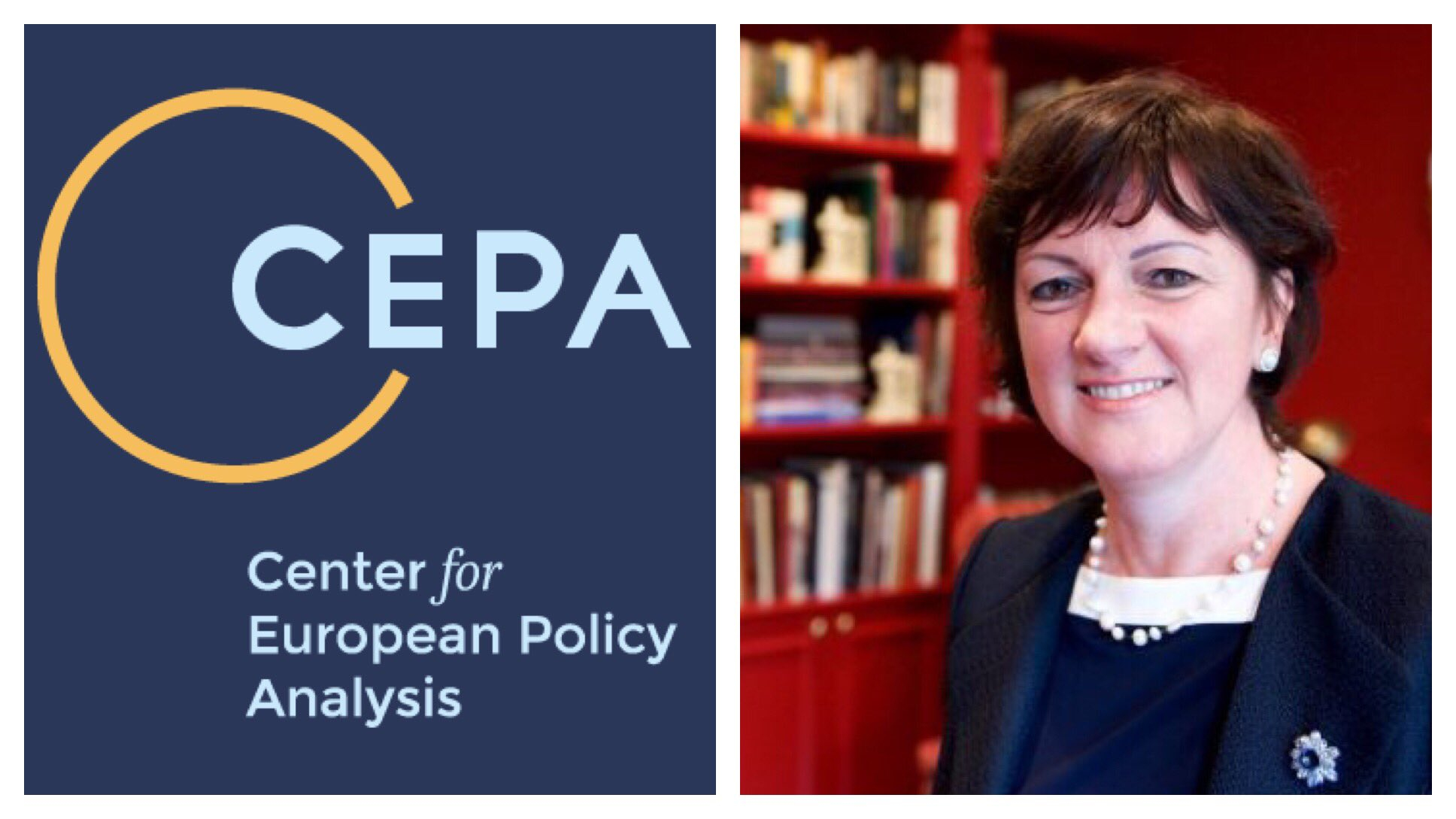
10/25/2017 – AHF congratulates former Ambassador of Hungary to the United States Réka Szemerkényi on her well-deserved appointment as executive vice president at the Center for European Policy Analysis, CEPA
“Congratulations on your well-deserved appointment as executive vice president at the Center for European Policy Analysis where we are certain that you will continue your outstanding work in promoting our shared values.
On behalf of the American Hungarian Federation, we wish to express our heartfelt appreciation for your distinguished representation of Hungary as ambassador. Your thoughtfulness and sincerity in conveying Hungary’s proud heritage and aspirations for the future has earned the respect of all of us at the Federation.”
Frank Koszorus, Jr.
Chairman of the Board
Akos Nagy,
President
CEPA’s press release:
Experienced diplomat and policy expert becomes CEPA’s new executive vice president
WASHINGTON, DC, October 25, 2017 – The Center for European Policy Analysis (CEPA) announces that Ambassador Réka Szemerkényi is joining the Center as executive vice president. Based out of CEPA’s Washington office, Szemerkényi will be responsible for expanding the Center’s policy outreach and stakeholder engagement in both the United States and Europe. She assumes the post immediately.
“I could not be more pleased that Réka is joining CEPA as our new executive vice president,” said CEPA President Peter B. Doran. “Réka embodies CEPA’s mission and vision as one of Central Europe’s leading Atlanticist voices, most recently as Hungary’s first female ambassador to the United States. And she is joining a world class team of American and European policy experts at CEPA.”
As executive vice president at CEPA, Szemerkényi brings to the organization a wealth of experience in U.S.-Central European relations, with over two decades of achievements in government, the private sector, and the expert policy community.
“Réka has demonstrated a strong commitment to Atlanticism throughout her career,” said CEPA Chairman Larry Hirsch. “We are delighted to have Réka join the CEPA team, as I know she will continue to work tirelessly to promote a deeper, more enduring relationship between Europe and the United States.”
Previously, Szemerkényi served as Hungary’s ambassador to the United States. In her career spanning the public service and nonprofit sectors, she was instrumental in helping facilitate Hungary’s NATO accession process, in establishing alternative natural gas supplies for Central Europe, in strengthening energy policy cooperation among U.S. allies in the region, and in launching several initiatives designed to bolster American ties with Europe.
“Réka is a stalwart Atlanticist with deep expertise in all the areas that matter most, including energy security, defense, intelligence, and information warfare,” said CEPA Senior Vice President Edward Lucas. “I am delighted that we will be working together at CEPA.”
Szemerkényi holds a doctorate from the Pázmány Péter Catholic University of Budapest. She received a master’s degree in strategic studies from Johns Hopkins University (SAIS) in 1995. She also holds degrees from the European Institute of International Relations in France (1991) and Eötvös Loránd University of Budapest (1992). In 2017, she was awarded the title of Honorary Doctor of Humane Letters from Marymount University for Promoting International Cooperation, and in 2016 she received an honorary doctorate from the Hungarian Public University. She is the recipient of several awards, including the Hungarian National Service Award for her contribution to Hungary’s NATO admission (1999); l’Ordre National du Mérite by French President Jacques Chirac (2001); the “Bene Merito” award by Polish Foreign Minister Radek Sikorski (2010); and the Award for “Promoting Freedom and Security in Central Europe” by the Slovak Atlantic Commission (2013). She is an elected member of the European Council on Foreign Relations and serves as vice president of the Hungarian Atlantic Council.
CEPA is a registered 501(c)(3) non-partisan public policy research institution dedicated to the study of Central and Eastern Europe, with offices in Washington and Warsaw. CEPA’s mission is to promote an economically vibrant, strategically secure, and politically free Central and Eastern Europe with close and enduring ties to the United States. Through written analysis and public events, CEPA educates policymakers and the public on the need for sustained engagement, helps transatlantic businesses navigate changing strategic landscapes, and builds networks of future leaders.
Since its creation in 2005, CEPA has grown rapidly to become a leading voice for strengthening security and democracy in the countries of post-communist Europe. It has also provided a forum for scholarly research, writing and debate on key issues affecting the CEE countries, their membership in NATO and the European Union, and their relationship with the United States. CEPA has grown to become the premier source of expert analysis and policymaker attention on U.S.-CEE relations, defense and geostrategy.
Join and Support Us Online!

Related

10/11/2017 – AHF meets with Ambassador Kurt Volker to discuss current issues of interest to members of AHF, including Ukraine’s new language law that curtails the Hungarian community’s right to study in their mother tongue. AHF congratulated Ambassador Volker on his appointment as U.S. Special Representative for Ukraine Negotiations. [read more]

Amerikában is tiltakoznak az ukrán oktatási törvény ellen. Amerikai Magyar Szövetség levelet intézett az Egyesült Államok külügyminiszteréhez, Rex Tillersonhoz, amiben aggodalmát fejezte ki amiatt, hogy az ukrán parlament megszavazta a nyelvtörvényt, amely sokak szerint az ukrajnai kisebbségi magyarokat megfosztja attól a lehetőségtől, hogy 4. osztály után anyanyelvükön tanuljanak. A diszkriminatív törvény a magyar kisebbség kultúráját fenyegeti és alapvető szabadságát sérti. A nemzeti kisebbség túlélése ugyanis nagymértékben függ kultúrája megőrzésétől, aminek alapvető eszköze a nyelvhasználat. [tovább]
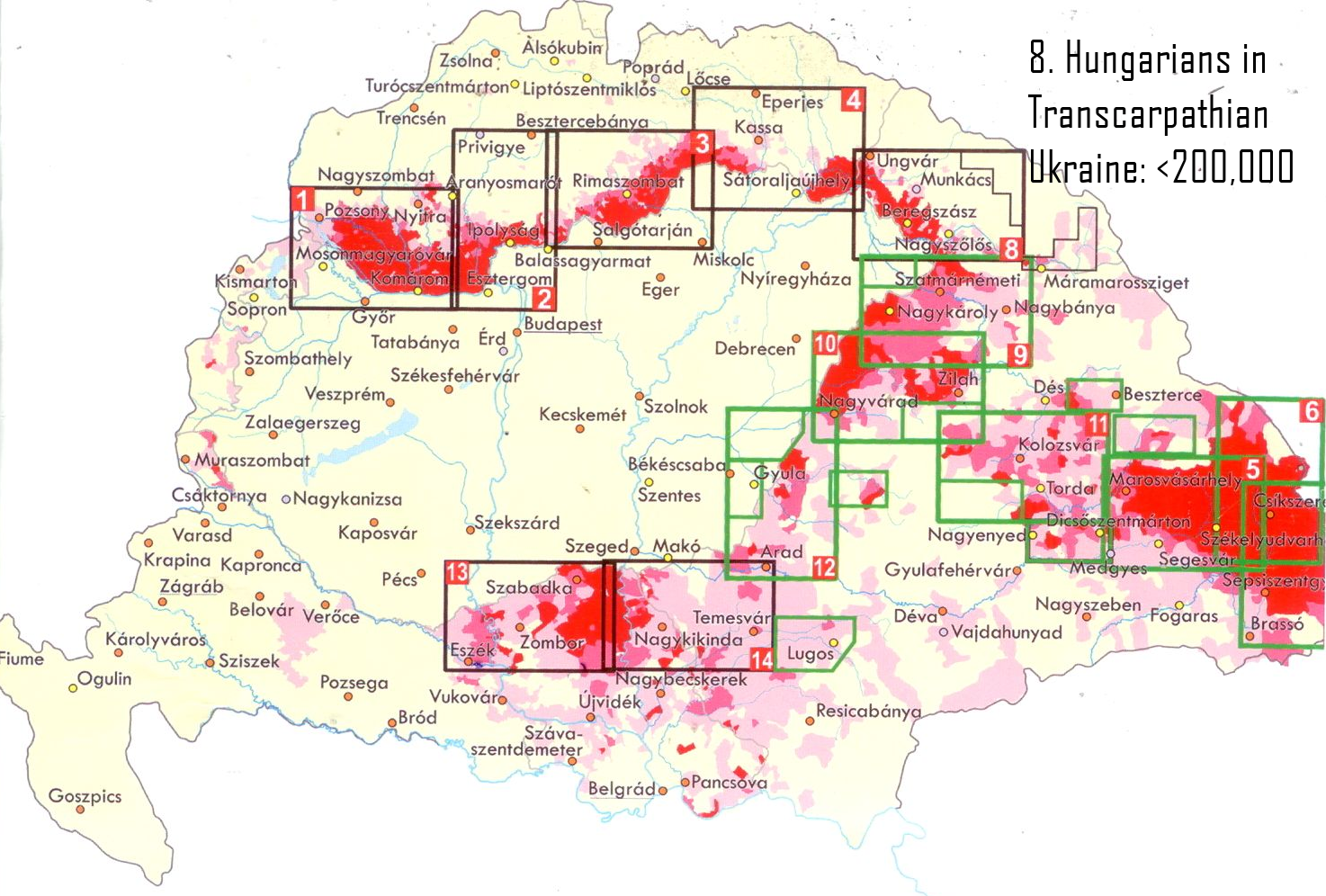
3/10/2014 – Ukraine: AHF Releases another Statement on the Plight of the Hungarian Minority in Transcarpathia. “Minority rights is a dimension to the complexity of Ukraine and the region that perhaps is laden with less immediate strategic significance but one that calls out for immediate attention to dispel the fear of perpetual conflict and to promote a democratic Ukraine. What is too often overlooked relates to the treatment of national minorities generally and specifically to Ukraine’s close to 200,000 ethnic Hungarians who live in western Sub-Carpathia, an area which was part of Hungary.” [read more]
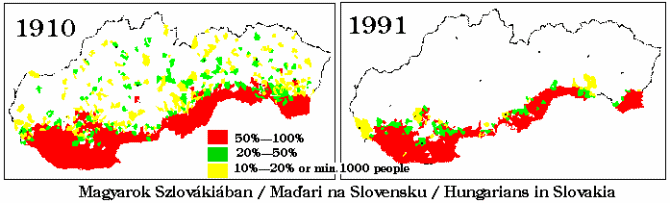
In 2005 and amended in 2009, Slovakia Criminalized the use of Hungarian: Under the act, the use of the minority language in official communication would be punishable in towns and villages where the ethnic community makes up less than 20 percent of the total population. [read more]
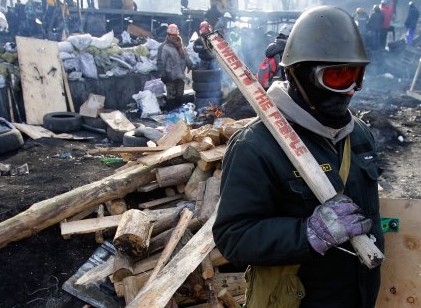
2/28/2014 – AHF Releases Statement in Connection with Recent Events in Ukraine calling attention to the plight of the Hungarian minority in Transcarpathia Ukraine. AHF urges the transitional government in Ukraine to fulfill the spirit of democracy as government for the people, by the people, and respect pluralism, the rule of law, and the rights of the Hungarian minority, including their democratically asserted right to autonomy. [read more]
3/28/2014 – Ukrán válság – üzent az Amerikai Magyar Szövetség: A legnagyobb amerikai magyar szervezet, az Amerikai Magyar Szövetség közleményben hívja fel az Egyesült Államok és az Európai Unió figyelmét a kisebbségi jogok problémájára az ukrán válság kapcsán. Az írás Barack Obama ma kezdődő európai útja előtt jelent meg. [tovább]

3/27/2014 – “Strengthen Ukraine by Strengthening Minority Rights:” As Russia completes the annexation of Crimea, creating a fait accompli probably impossible to reverse, the situation in Ukraine proper remains fraught with uncertainty. For the Hungarian minority in Ukraine the situation is especially precarious, particularly in light of a proposed ban on minority languages currently being pushed by nationalists in the Ukrainian parliament. While the legislation is currently stalled, it is essential that the United States and the European Union remind those Ukrainians hostile towards ethnic minorities that, as noted by World Jewish Congress President Ronald S. Lauder, “one of the basic tenets of liberal democracy is that minority rights are protected.” This is especially important because the backlash to the loss of Crimea could fuel ultra-nationalism and intolerance. [read more]

Ukraine’s Hungarian Minority Nervous as Crisis Rages [more]
March 2014 – Vandalism of Hungarian monument in Ukraine “appalling”, says govt official [more]
April, 2011 – Hungarian memorial vandalized in Western Ukraine [more]
2011 – Hungarian Minority Communities Targets of Intimidation, Incitement and Vandalism throughout Central Europe – Hungarian Human Rights Foundation [more]